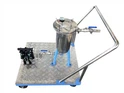
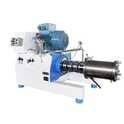
As a seasoned supplier of Ink Production Lines, I've witnessed firsthand the transformative power of an optimized production line layout. A well - designed layout not only enhances efficiency but also boosts productivity, reduces costs, and improves overall product quality. In this blog, I'll share some key strategies on how to optimize the layout of an ink production line in a factory.
Understanding the Basics of Ink Production
Before diving into layout optimization, it's crucial to understand the fundamental steps in ink production. Generally, ink production involves raw material storage, pre - mixing, grinding, dispersion, final mixing, quality control, and packaging. Each of these processes requires specific equipment and space, and their arrangement can significantly impact the flow of production.
Analyzing the Current Layout
The first step in optimizing the layout is to conduct a thorough analysis of the existing setup. This includes mapping out the current positions of all equipment, storage areas, and workstations. Observe the movement of materials, operators, and information within the production line. Look for bottlenecks, areas of congestion, and unnecessary movements. For example, if raw materials have to be transported across the entire factory to reach the pre - mixing area, it could be a sign of an inefficient layout.
Considering the Flow of Materials
One of the most important aspects of layout optimization is ensuring a smooth flow of materials. The ideal layout should minimize the distance that raw materials, semi - finished products, and finished goods have to travel. Start by arranging the production steps in a logical sequence. Raw material storage should be located close to the pre - mixing area, and the grinding and dispersion units should be adjacent to each other to facilitate easy transfer of the product.
For instance, if you have a large - scale ink production line, you might consider a U - shaped layout. This layout allows for a continuous flow of materials, with the starting and ending points close to each other. It also provides easy access for operators to monitor the entire production process.
Equipment Placement
Proper equipment placement is essential for an efficient ink production line. Each piece of equipment should be positioned in a way that maximizes its functionality and minimizes the time and effort required for operation. For example, high - volume equipment such as mixers and grinders should be placed in areas with sufficient space for loading and unloading materials.
Moreover, consider the maintenance requirements of the equipment. Equipment that requires frequent maintenance should be easily accessible. You might also want to group similar equipment together to simplify maintenance and reduce downtime. For example, all the pumps in the production line could be located in one area, making it easier for maintenance technicians to service them.
Safety and Ergonomics
Safety should always be a top priority when designing the layout of an ink production line. Ensure that there are clear walkways and emergency exits throughout the factory. Flammable and hazardous materials should be stored in designated areas with proper ventilation and safety measures.


Ergonomics is also crucial for the well - being of the operators. Workstations should be designed to reduce physical strain and fatigue. For example, the height of the control panels and workbenches should be adjustable to accommodate operators of different heights.
Utilizing Technology
In today's digital age, technology can play a significant role in optimizing the layout of an ink production line. You can use simulation software to model different layout scenarios and analyze their impact on production efficiency. These simulations can help you identify potential problems and make informed decisions before implementing any changes to the actual layout.
Additionally, automation and robotics can be integrated into the production line to further improve efficiency. Automated conveyor systems can transport materials between different stages of production, reducing the need for manual handling.
Flexibility and Scalability
When designing the layout, it's important to consider future growth and changes in production requirements. The layout should be flexible enough to accommodate new equipment, processes, or changes in production volume. For example, you might leave some extra space in the factory for future expansion or modification of the production line.
Comparing with Other Production Lines
It's also beneficial to look at other similar production lines, such as the Pesticide Complete Production Line and Water Based Emulsion Paint Production Line. These production lines share some similarities with ink production, such as raw material handling, mixing, and packaging. By studying their layouts and best practices, you can gain valuable insights that can be applied to your ink production line.
Conclusion
Optimizing the layout of an ink production line is a complex but rewarding process. By carefully considering the flow of materials, equipment placement, safety, ergonomics, technology, and future scalability, you can create a layout that maximizes efficiency and productivity. As a supplier of Ink Production Line, I'm committed to helping factories achieve these goals.
If you're interested in learning more about how to optimize your ink production line layout or are considering purchasing a new production line, I encourage you to reach out. We can have a detailed discussion about your specific needs and work together to design the most suitable layout for your factory.
References
- Manufacturing Layout Design: A Comprehensive Guide. Industrial Engineering Press.
- Lean Manufacturing Principles for Production Line Optimization. Lean Production Institute.
- Safety Standards in Chemical Production Facilities. Occupational Safety and Health Administration.