Alright, folks! As a supplier of Paint Production Line, I often get asked about the cost - benefit analysis of setting up a paint production line. So, let's dive right in and break it down.
The Costs
1. Equipment Purchase
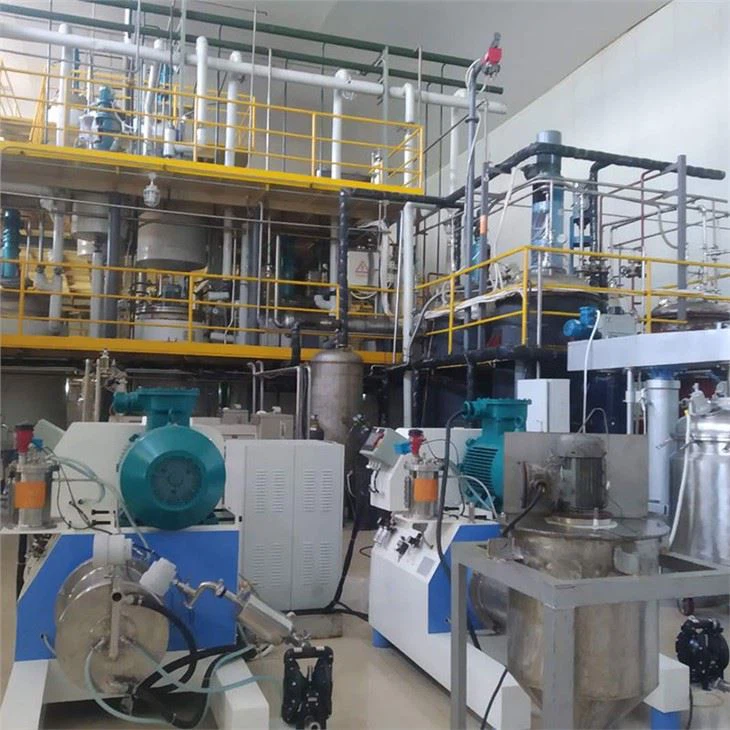
The first major chunk of cost comes from buying the machinery. We've got a variety of Paint Production Line options. For instance, if you're looking at a Water Based Emulsion Paint Production Line, the equipment includes mixers, grinders, filling machines, and storage tanks. These machines aren't cheap. High - quality mixers can cost anywhere from a few thousand to tens of thousands of dollars depending on their capacity and features. And a complete paint production line setup with advanced automation can set you back a small fortune.
2. Installation and Commissioning
Once you've bought the equipment, you need to get it installed and commissioned properly. This involves hiring technicians who are experts in handling paint production machinery. They'll not only install the machines but also make sure they're running smoothly. The cost of installation can vary based on the complexity of the production line. You might have to pay for the technicians' travel, accommodation, and of course, their fees. It could easily add up to a significant amount, especially if you're setting up a large - scale production line.
3. Raw Materials
Raw materials are another ongoing cost. In paint production, you need things like resins, solvents, pigments, and additives. Pigments, in particular, can be quite expensive, especially high - quality ones. If you're running a Pigment Dyes Production Line, the cost of raw materials for making pigments has to be factored in. You also need to consider the cost of storing these raw materials properly. They might require special storage conditions to maintain their quality, which adds an extra cost.
4. Labor
Skilled labor is essential for running a paint production line. You need operators to run the machines, technicians to maintain them, and quality control personnel to ensure the paint meets the required standards. Paying salaries, benefits, and training costs for these employees can be a substantial part of your overall cost. And let's not forget about the cost of overtime if you need to increase production during peak seasons.

5. Maintenance and Repairs
Machinery wears out over time, and you need to budget for maintenance and repairs. Regular maintenance helps prevent breakdowns and ensures the longevity of your equipment. But when a major breakdown occurs, the repair costs can be quite high. You might have to replace parts or even call in specialized repair services. This is an ongoing cost that you can't ignore.
The Benefits
1. Revenue Generation
The biggest benefit is, of course, the potential to generate revenue. Once your paint production line is up and running, you can produce and sell paint products. If you produce high - quality paint that meets market demands, you can attract a large customer base. You can sell your paint to retailers, construction companies, and even directly to consumers. As your production capacity increases, so does your potential to earn more money. It's all about finding the right balance between production volume and market demand.
2. Cost Savings in the Long Run
Buying paint from suppliers can be expensive in the long term. By having your own production line, you can save on the cost of purchasing paint from external sources. You have more control over the production process, which means you can optimize the use of raw materials and reduce waste. This can lead to significant cost savings over time. Additionally, you can negotiate better deals with raw material suppliers as you're buying in bulk.
3. Customization
With your own paint production line, you have the ability to customize paint products according to customer requirements. You can create unique color formulations, adjust the paint's properties like durability and sheen, and develop specialty paints for different applications. This customization gives you a competitive edge in the market. Customers are often willing to pay more for customized products, which can increase your profit margins.
4. Brand Building
Producing your own paint allows you to build your own brand. You can establish a reputation for quality and reliability in the market. A strong brand can lead to increased customer loyalty and word - of - mouth referrals. This, in turn, can help you expand your market share and increase your sales.
5. Job Creation
Setting up a paint production line also has the benefit of creating jobs in the local community. This can have a positive impact on the local economy. You'll be providing employment opportunities for operators, technicians, and other support staff. It's not just about making money; it's also about contributing to the community.
Making the Decision
So, when you're considering setting up a paint production line, you need to weigh the costs against the benefits. If you have a clear market demand for your paint products, and you can manage the costs effectively, then it can be a very profitable venture.
But it's not as simple as just looking at the numbers. You also need to consider factors like competition in the market, changing regulations, and technological advancements. For example, if a new and more efficient paint production technology emerges, you might have to invest in upgrading your equipment to stay competitive.
At the end of the day, the cost - benefit analysis is about finding that sweet spot where the benefits outweigh the costs. And that's where we come in. As a Paint Production Line supplier, we can help you make an informed decision. We'll work with you to understand your needs, recommend the right production line setup, and provide support throughout the process.
If you're interested in discussing a paint production line for your business, don't hesitate to reach out and start a conversation. We're here to help you make the most of this opportunity and turn it into a successful venture.
References
- "Paint Manufacturing Handbook"
- "Cost - Benefit Analysis in Industrial Projects"