Hey there! As a supplier of Filling Machines, I've seen firsthand how crucial it is to have consistent filling in various industries. Whether it's for food and beverage, pharmaceuticals, or cosmetics, inconsistent filling can lead to a whole bunch of problems, like product waste, customer dissatisfaction, and even regulatory issues. So, in this blog, I'm gonna share some tips on how to improve the filling consistency of a filling machine.
1. Machine Selection and Setup
First things first, choosing the right filling machine is super important. There are different types of filling machines out there, such as Rotary Pump Filling Machine, piston filling machines, and gravity filling machines. Each type has its own advantages and is suitable for different products and production volumes.
For example, if you're filling viscous products like honey or shampoo, a Rotary Pump Filling Machine might be a great choice. It can handle thick liquids well and provide accurate filling. On the other hand, if you're dealing with thin liquids like water or juice, a gravity filling machine could be more appropriate.
Once you've selected the right machine, proper setup is key. Make sure the machine is level and stable. Any unevenness can cause the filling to be inconsistent. Also, adjust the filling nozzles correctly. The height and angle of the nozzles can affect how the product is dispensed. If the nozzles are too high or too low, it can lead to splashing or inaccurate filling.
2. Product Characteristics
Understanding your product's characteristics is essential for achieving consistent filling. Factors like viscosity, density, and temperature can all impact the filling process.
Viscosity is how thick or thin a liquid is. High - viscosity products flow more slowly than low - viscosity ones. If your product is very viscous, you might need to use a machine with more power to push the product through the filling system. You may also need to heat the product to reduce its viscosity and make it flow more easily.
Density is another important factor. Products with different densities will require different filling volumes to achieve the same weight. For example, a light - density liquid might need a larger volume to reach the same weight as a heavy - density liquid. You need to calibrate the filling machine accordingly.
Temperature can also affect the product's viscosity and density. Some products may change their properties significantly with temperature changes. So, it's a good idea to keep the product at a consistent temperature during the filling process. You can use temperature control systems to maintain the ideal temperature.
3. Maintenance and Cleaning
Regular maintenance and cleaning of the filling machine are non - negotiable. Over time, dirt, debris, and product residues can build up inside the machine, which can clog the nozzles, valves, and pipes. This will definitely lead to inconsistent filling.
Clean the machine after each production run. Use the appropriate cleaning agents and follow the manufacturer's instructions. Pay special attention to the filling nozzles and valves. You can use a Filter to remove any particles from the product before it enters the filling system. This will help prevent clogs and ensure a smooth filling process.
In addition to cleaning, perform regular maintenance checks. Inspect the seals, gaskets, and hoses for any signs of wear or damage. Replace them if necessary. Also, check the calibration of the machine regularly. Make sure the filling volumes are still accurate.
4. Operator Training
Your operators play a huge role in the filling consistency. They need to be well - trained on how to operate the filling machine correctly. Provide comprehensive training on machine operation, setup, cleaning, and maintenance.
Teach them how to adjust the machine settings for different products. For example, how to change the filling volume, speed, and pressure. Also, train them to recognize and troubleshoot common problems, such as leaks, clogs, and inaccurate filling.

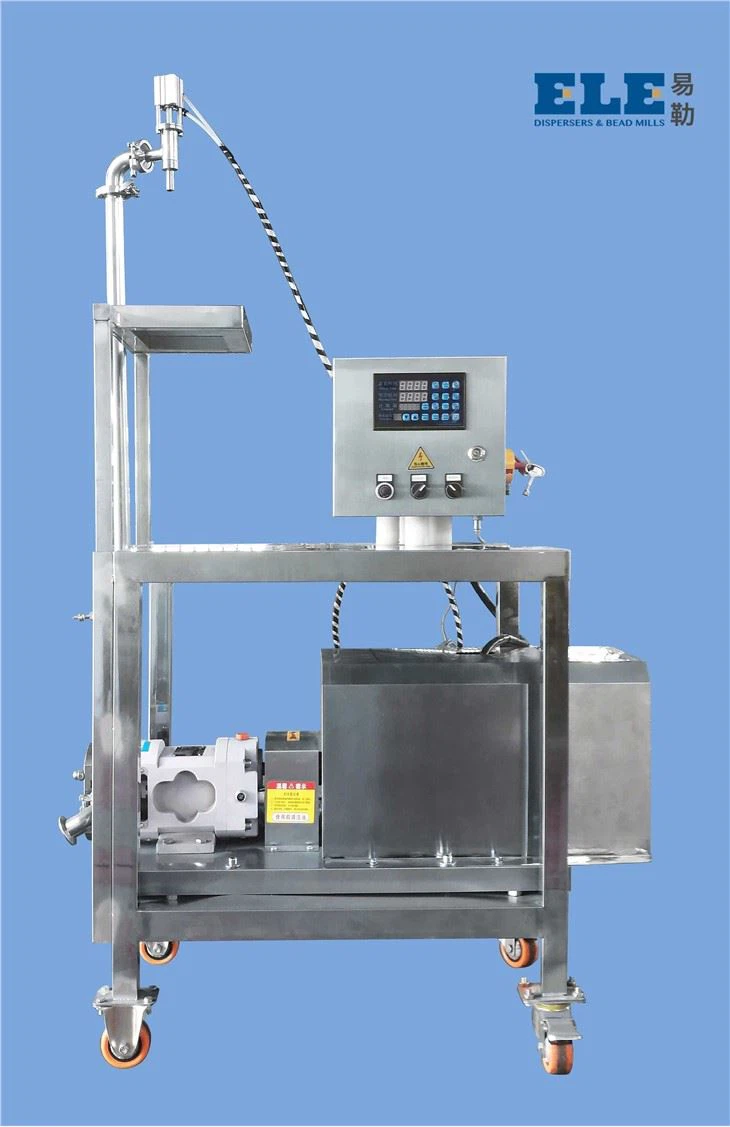
Encourage your operators to pay attention to details. They should monitor the filling process closely and report any issues immediately. A well - trained operator can make a big difference in the overall filling consistency.
5. Quality Control
Implement a strict quality control system. Regularly check the filled products to ensure they meet the required standards. You can use weighing scales to check the weight of the filled products. If the weight is outside the acceptable range, it indicates inconsistent filling.
You can also visually inspect the filled products for any signs of spillage, under - filling, or over - filling. Set up a sampling plan to randomly check a certain number of products during each production run. This will help you catch any problems early and take corrective actions.
Use data from the quality control checks to analyze the filling consistency over time. Look for trends and patterns. If you notice a decrease in consistency, you can investigate the root cause and make the necessary adjustments to the machine or the process.
6. Upgrading the Machine
As technology advances, consider upgrading your filling machine. Newer models often come with improved features and better control systems. For example, some modern filling machines have advanced sensors that can detect the level of the product in the container and adjust the filling volume automatically.
Upgrading the machine can also improve its reliability and efficiency. You may be able to reduce downtime and increase the overall production output. However, make sure to do your research before upgrading. Consider the cost - effectiveness and whether the new features will actually benefit your specific production needs.
Conclusion
Improving the filling consistency of a Filling Machine is a multi - faceted process. It involves choosing the right machine, understanding your product, regular maintenance, operator training, quality control, and potentially upgrading the machine. By following these tips, you can significantly improve the filling consistency, reduce waste, and increase customer satisfaction.
If you're looking for a high - quality filling machine or need advice on improving your filling process, don't hesitate to reach out. We're here to help you find the best solution for your business.
References
- Industry best practices for filling machine operation
- Manufacturer's manuals for filling machines
- Research on product characteristics and their impact on filling processes