Hey there! As a filter supplier, I've seen firsthand how important it is to keep your filters clean. A dirty filter can lead to all sorts of problems, like reduced efficiency, increased energy consumption, and even damage to your equipment. In this blog post, I'm going to share some tips on how to clean a filter properly.
Why Cleaning Your Filter is Crucial
Before we dive into the cleaning process, let's talk about why it's so important to keep your filters clean. Filters are designed to trap dirt, dust, and other contaminants from the air or liquid passing through them. Over time, these contaminants build up on the filter, reducing its effectiveness.
A clogged filter has to work harder to let air or liquid through. This not only means that your equipment has to use more energy to operate, but it can also cause damage to the filter itself and other parts of your system. For example, in an HVAC system, a dirty filter can cause the blower motor to overheat, leading to costly repairs.
Types of Filters and Cleaning Methods
There are many different types of filters out there, and the cleaning method you use will depend on the type of filter you have. Here are some common types of filters and how to clean them:
Disposable Filters
Disposable filters are the most common type of filter. They're designed to be thrown away and replaced once they're dirty. These filters are usually made of paper or fiberglass and are relatively inexpensive.
To clean a disposable filter, simply remove it from your equipment and replace it with a new one. It's important to replace disposable filters regularly to ensure that your equipment is running efficiently.
Washable Filters
Washable filters are a more environmentally friendly option than disposable filters. They can be cleaned and reused multiple times, which can save you money in the long run. Washable filters are usually made of foam, mesh, or fabric.
To clean a washable filter, start by removing it from your equipment. Then, rinse the filter under running water to remove any loose dirt and debris. Next, soak the filter in a solution of warm water and mild detergent for about 15-20 minutes. Gently agitate the filter in the solution to loosen any stubborn dirt.

After soaking, rinse the filter thoroughly under running water to remove all the detergent. Make sure to remove all the soap, as any residue can reduce the filter's effectiveness. Once the filter is clean, let it air dry completely before reinstalling it in your equipment.
HEPA Filters
HEPA (High-Efficiency Particulate Air) filters are designed to trap very small particles, such as dust, pollen, and smoke. These filters are commonly used in air purifiers, vacuum cleaners, and HVAC systems.
HEPA filters are usually not washable and should be replaced when they're dirty. However, some HEPA filters have a pre-filter that can be cleaned. The pre-filter is designed to trap larger particles, which can extend the life of the HEPA filter.
To clean the pre-filter, follow the same steps as for a washable filter. Remove the pre-filter from the equipment, rinse it under running water, soak it in a mild detergent solution, rinse it again, and let it air dry.
Step-by-Step Guide to Cleaning a Filter
Now that you know the different types of filters and how to clean them, let's go through a step-by-step guide to cleaning a filter:
- Turn off the Equipment: Before you start cleaning the filter, make sure to turn off the equipment to avoid any accidents. This is especially important if you're working with electrical equipment.
- Locate the Filter: Find the filter in your equipment. The location of the filter will depend on the type of equipment you have. In most cases, the filter is located near the intake or exhaust of the equipment.
- Remove the Filter: Carefully remove the filter from the equipment. Be gentle to avoid damaging the filter or the equipment.
- Inspect the Filter: Take a close look at the filter to see how dirty it is. If the filter is severely clogged or damaged, it may need to be replaced instead of cleaned.
- Clean the Filter: Depending on the type of filter you have, follow the appropriate cleaning method described above.
- Dry the Filter: If you've washed the filter, make sure it's completely dry before reinstalling it. A wet filter can cause mold and mildew to grow, which can be harmful to your health.
- Reinstall the Filter: Once the filter is clean and dry, carefully reinstall it in the equipment. Make sure it's properly seated and secured.
- Turn on the Equipment: After reinstalling the filter, turn on the equipment and check to make sure it's running properly.
Tips for Maintaining Your Filters
Here are some tips to help you maintain your filters and keep them clean:
- Replace Filters Regularly: Even if you clean your filters regularly, they will eventually need to be replaced. Follow the manufacturer's recommendations for how often to replace your filters.
- Use a Pre-Filter: If your equipment doesn't have a pre-filter, consider adding one. A pre-filter can help trap larger particles, which can extend the life of your main filter.
- Keep the Area Around the Filter Clean: Make sure the area around the filter is clean and free of dust and debris. This can help prevent the filter from getting dirty too quickly.
- Check the Filter Regularly: Periodically check the filter to see how dirty it is. If it looks dirty, clean or replace it as soon as possible.
Conclusion
Cleaning your filters is an important part of maintaining your equipment. By following the tips and methods outlined in this blog post, you can keep your filters clean and your equipment running efficiently.
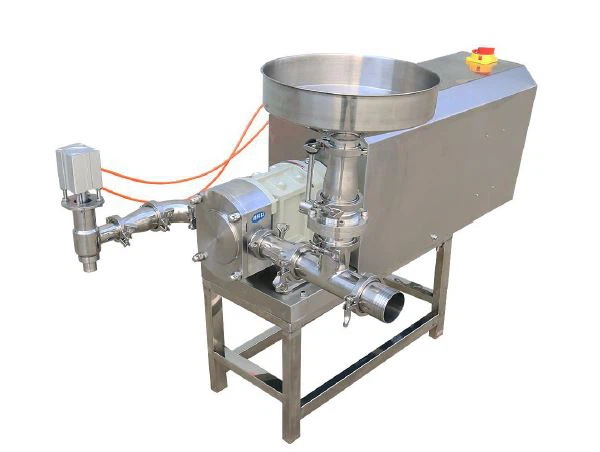
If you're in the market for a new filter or need more information about filter maintenance, feel free to check out our website. We offer a wide range of filters, including Filling Machine, Filter, and Rotary Pump Filling Machine. Our team of experts is always available to answer your questions and help you find the right filter for your needs.
We're here to assist you with all your filter requirements. Whether you're looking to purchase a single filter or need a large quantity for your business, we're ready to have a discussion with you. Reach out to us to start the procurement negotiation process and find the best solutions for your filtering needs.
References
- "Filter Maintenance Guide" - General Equipment Manufacturer's Handbook
- "The Importance of Clean Filters" - HVAC Industry Journal