Hey there! As a mixer supplier, I often get asked about how to adjust the speed of a variable-speed mixer. It's a crucial aspect of using these machines effectively, whether you're working in a small bakery or a large industrial production facility. In this blog post, I'll share some tips and tricks on how to do it right.
Understanding Your Mixer
First things first, you need to understand the type of mixer you have. There are different kinds of variable-speed mixers out there, each with its own unique features and functions. For example, we have the EXJ Series Vacuum Planetary Mixer, which is great for mixing high-viscosity materials under vacuum conditions. Then there's the High Viscosity Concentric Dual Shaft Mixer, designed specifically for mixing thick and sticky substances. And if you need a larger capacity, our Planetary Mixer 200L might be the right choice for you.
Before you start adjusting the speed, take a look at the mixer's user manual. It will provide you with detailed information about the machine's specifications, speed range, and any special instructions for speed adjustment. Make sure you're familiar with the control panel and all the buttons and knobs.
Factors to Consider
When adjusting the speed of a variable-speed mixer, there are several factors you need to consider. The first one is the type of material you're mixing. Different materials require different mixing speeds. For example, if you're mixing a thin liquid, you might want to start with a lower speed to prevent splashing. On the other hand, if you're mixing a thick dough or batter, a higher speed might be necessary to ensure thorough mixing.
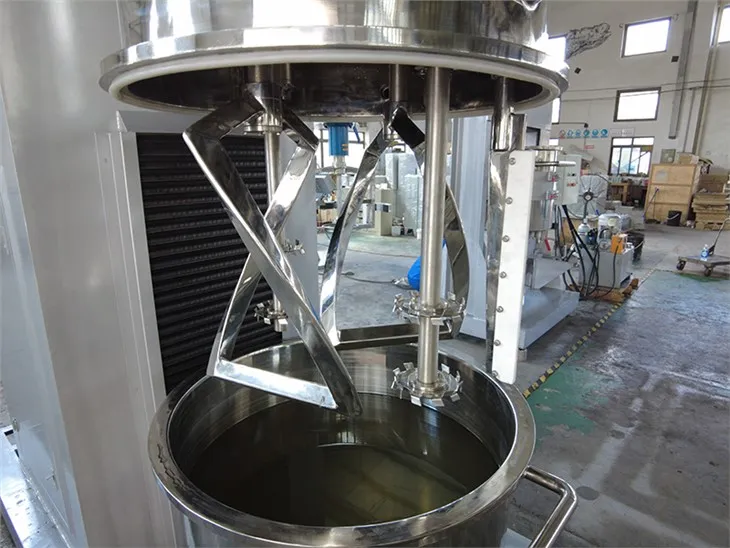

The quantity of the material also matters. If you're mixing a large batch, you might need to increase the speed to achieve the same level of mixing efficiency as a small batch. However, be careful not to overdo it, as too high a speed can cause the material to heat up or become damaged.
Another factor to consider is the mixing time. The longer you mix, the more you might need to adjust the speed. For example, you might start with a low speed to combine the ingredients and then gradually increase the speed to achieve a smoother texture.
Step-by-Step Guide to Adjusting the Speed
Now that you understand the factors involved, let's go through the step-by-step process of adjusting the speed of a variable-speed mixer.
- Power On the Mixer: Make sure the mixer is plugged in and turned on. Check the power indicator to ensure it's functioning properly.
- Select the Initial Speed: Based on the type of material and the quantity, select an appropriate initial speed. Most mixers have a speed range indicated on the control panel. Start with a lower speed if you're unsure.
- Start Mixing: Once you've selected the speed, start the mixer. Observe the mixing process and how the material is reacting to the speed. If the material is not mixing well or is splashing, you might need to adjust the speed.
- Make Gradual Adjustments: If you need to increase or decrease the speed, do it gradually. Most mixers have a speed adjustment knob or button that allows you to make small changes. Avoid making sudden or large adjustments, as this can cause the mixer to malfunction or damage the material.
- Monitor the Mixing Process: Keep an eye on the mixing process and make further adjustments as needed. You might need to increase the speed if the material is not reaching the desired consistency, or decrease the speed if it's overheating or becoming too thin.
- Stop the Mixer: Once the mixing is complete, turn off the mixer. Make sure to clean the mixer thoroughly according to the manufacturer's instructions.
Troubleshooting
Sometimes, you might encounter issues when adjusting the speed of a variable-speed mixer. Here are some common problems and how to solve them.
- The Mixer Won't Start: Check if the power cord is properly plugged in and if the power switch is turned on. If the mixer still won't start, there might be a problem with the motor or the control panel. Contact a professional technician for assistance.
- The Speed is Not Changing: Make sure you're using the correct speed adjustment method. Some mixers require you to hold down a button while turning the speed knob. If the speed still won't change, there might be a problem with the speed control mechanism. Check the user manual or contact the manufacturer for troubleshooting tips.
- The Mixer is Making Unusual Noises: This could be a sign of a mechanical problem. Stop the mixer immediately and check for any loose parts or damaged components. If you're unsure what the problem is, contact a professional technician.
Conclusion
Adjusting the speed of a variable-speed mixer is an important skill that can help you achieve better mixing results. By understanding your mixer, considering the factors involved, and following the step-by-step guide, you can ensure that your mixer is operating at its optimal speed.
If you're in the market for a new mixer or have any questions about adjusting the speed of your existing mixer, don't hesitate to reach out to us. We're here to help you find the right mixer for your needs and provide you with all the support and guidance you need.
References
- Mixer User Manuals
- Industry Best Practices for Mixing Operations