Hey there! As a supplier of Pin Type Bead Mills, I've seen firsthand how crucial the lining material is in the grinding process. In this blog, I'll break down the influence of lining materials on the grinding process in a Pin Type Bead Mill.
Understanding the Pin Type Bead Mill
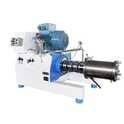
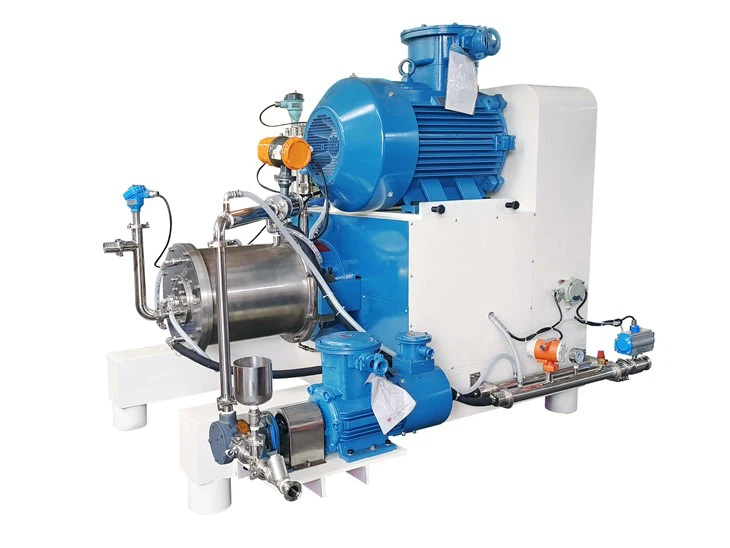
Before we dive into the lining materials, let's quickly go over what a Pin Type Bead Mill is. A Pin Type Bead Mill is a powerful piece of equipment used for fine grinding and dispersing materials. It works by using pins or rods to agitate beads, which in turn break down the particles of the material being processed. This type of mill is widely used in industries such as paint, ink, pharmaceuticals, and ceramics.

The Role of Lining Materials
The lining material of a Pin Type Bead Mill plays a vital role in the grinding process. It serves several important functions:
- Protection: The lining protects the mill's housing from wear and tear caused by the abrasive action of the beads and the material being ground.
- Contamination Prevention: It helps prevent contamination of the product by the mill's housing material.
- Grinding Efficiency: The right lining material can improve the grinding efficiency by providing a smooth surface for the beads to move on and reducing friction.
- Chemical Resistance: In some cases, the lining material needs to be resistant to the chemicals in the material being processed.
Common Lining Materials and Their Influences
1. Polyurethane
Polyurethane is a popular lining material for Pin Type Bead Mills. It has several advantages:
- Wear Resistance: Polyurethane is highly resistant to wear, which means it can withstand the abrasive action of the beads and the material being ground for a long time.
- Flexibility: It is a flexible material, which allows it to absorb shocks and vibrations during the grinding process. This can help reduce noise and extend the life of the mill.
- Chemical Resistance: Polyurethane is resistant to many chemicals, making it suitable for use with a wide range of materials.
However, polyurethane also has some limitations. It can be affected by high temperatures, and its performance may degrade over time if exposed to certain chemicals.
2. Ceramic
Ceramic lining materials are known for their excellent wear resistance and chemical resistance.
- High Hardness: Ceramic is a very hard material, which makes it highly resistant to wear. This can result in a longer lifespan for the lining and a more consistent grinding performance.
- Chemical Inertness: It is chemically inert, which means it won't react with the material being processed. This is especially important in applications where contamination is a concern, such as in the pharmaceutical and food industries.
- High Temperature Resistance: Ceramic can withstand high temperatures, making it suitable for use in high-energy grinding processes.
On the downside, ceramic lining materials can be brittle and prone to cracking if subjected to sudden shocks or impacts. They are also more expensive than some other lining materials.
3. Rubber
Rubber is another commonly used lining material. It has the following characteristics:
- Shock Absorption: Rubber is a soft and flexible material that can absorb shocks and vibrations during the grinding process. This can help reduce noise and protect the mill from damage.
- Low Friction: It has a low coefficient of friction, which can improve the grinding efficiency by allowing the beads to move more freely.
- Cost-Effective: Rubber is generally less expensive than some other lining materials, making it a cost-effective option for many applications.
However, rubber may not be suitable for use with highly abrasive materials or in applications where chemical resistance is required.
4. Alumina
Alumina is a ceramic material that is often used as a lining material for Pin Type Bead Mills.
- High Wear Resistance: Alumina is extremely hard and wear-resistant, which makes it ideal for use in high-abrasive grinding applications.
- Chemical Resistance: It is resistant to many chemicals, including acids and alkalis.
- High Temperature Resistance: Alumina can withstand high temperatures, making it suitable for use in high-energy grinding processes.
Alumina lining materials can be expensive, and they may require special handling and installation procedures.
Impact on Grinding Quality
The choice of lining material can have a significant impact on the quality of the ground product.
- Particle Size Distribution: A smooth and wear-resistant lining material can help ensure a more uniform particle size distribution by allowing the beads to move more freely and break down the particles more evenly.
- Surface Finish: The right lining material can also improve the surface finish of the ground product by reducing the amount of friction and wear on the particles.
- Contamination: As mentioned earlier, a good lining material can prevent contamination of the product by the mill's housing material, which is crucial for maintaining the quality of the final product.
Impact on Grinding Efficiency
The lining material can also affect the grinding efficiency of the Pin Type Bead Mill.
- Friction Reduction: A smooth lining material can reduce friction between the beads and the mill's housing, allowing the beads to move more freely and increasing the grinding efficiency.
- Bead Movement: The right lining material can provide a better surface for the beads to move on, which can improve the contact between the beads and the material being ground and enhance the grinding efficiency.
- Energy Consumption: By improving the grinding efficiency, the right lining material can also reduce the energy consumption of the mill.
Considerations When Choosing a Lining Material
When choosing a lining material for a Pin Type Bead Mill, several factors need to be considered:
- Material to be Ground: The properties of the material being ground, such as its hardness, abrasiveness, and chemical composition, will determine the type of lining material needed.
- Grinding Conditions: The grinding conditions, such as the speed of the mill, the size and type of the beads, and the temperature, also need to be taken into account.
- Cost: The cost of the lining material and its installation should be considered, especially in large-scale production.
- Maintenance Requirements: Different lining materials have different maintenance requirements. Some may need to be replaced more frequently than others, which can affect the overall cost of operation.
Conclusion
In conclusion, the lining material of a Pin Type Bead Mill has a significant influence on the grinding process. It can affect the wear resistance, contamination prevention, grinding efficiency, and chemical resistance of the mill. By choosing the right lining material, you can improve the quality of the ground product, increase the grinding efficiency, and reduce the overall cost of operation.
If you're in the market for a Pin Type Bead Mill or need help choosing the right lining material for your application, feel free to contact us. We're here to assist you with all your grinding needs. Whether you're looking for an Aluminum Dioxide Bead Mill or a Bead Mill Homogenizer, we've got you covered. Let's start a conversation and find the best solution for your business!
References
- "Bead Milling Technology" by John Doe
- "Advances in Grinding Processes" by Jane Smith
- "Materials Science for Grinding Equipment" by Bob Johnson