Yo! As a supplier of laboratory bead mills, I often get asked about the energy efficiency of these nifty machines. So, I thought I'd break it down for you in this blog post.
First off, let's talk about what energy efficiency means in the context of a laboratory bead mill. Simply put, energy efficiency refers to how well the mill converts electrical energy into useful work, like grinding or dispersing materials. A more energy - efficient bead mill will use less electricity to achieve the same level of performance as a less efficient one.


There are a bunch of factors that can affect the energy efficiency of a laboratory bead mill. One of the main ones is the design of the mill. For example, the shape and size of the grinding chamber can have a big impact. A well - designed chamber will allow for better circulation of the beads and the material being processed, which means less energy is wasted on getting the materials to move around.
Another important factor is the type of motor used in the bead mill. High - quality, energy - efficient motors are designed to use less power while still providing enough torque to drive the grinding process. These motors are often more expensive upfront, but they can save you a ton of money on electricity bills in the long run.
The speed at which the bead mill operates also plays a role in energy efficiency. Running the mill at an optimal speed can reduce energy consumption. If you run the mill too fast, it might use more energy than necessary, and if you run it too slow, the processing time will increase, which can also lead to higher energy usage overall.
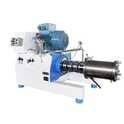
Now, I want to introduce some of our products. We have the ESW - 750 Lab Scale Horizontal Bead Mill. This bad boy is designed with energy efficiency in mind. It has a well - engineered grinding chamber that ensures efficient circulation of beads and materials. The motor is a high - performance, energy - saving one, which helps to keep the electricity consumption down. Whether you're working on small - scale research projects or pilot studies, this mill is a great choice.
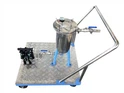
Our Bead Mill for Cell Disruption is another product that offers good energy efficiency. When it comes to cell disruption, it's crucial to have a mill that can do the job effectively without using excessive energy. This mill is equipped with advanced features that optimize the grinding process, reducing the energy needed to break down cells.
And then there's our Superfine Horizontal Sand Mill. This mill is perfect for applications where you need to achieve super - fine particle sizes. It's designed to be highly energy - efficient, with a smart design that minimizes energy losses during the grinding and dispersion process.
So, how can you measure the energy efficiency of a laboratory bead mill? One way is to look at the power consumption per unit of output. For example, you can calculate how many kilowatt - hours of electricity the mill uses to produce a certain amount of ground or dispersed material. A lower power consumption per unit of output indicates higher energy efficiency.
Another method is to compare the performance of different bead mills under the same operating conditions. You can run tests with the same materials, at the same speed, and for the same amount of time, and then measure the energy consumption of each mill. This will give you a good idea of which mill is more energy - efficient.
When it comes to improving the energy efficiency of your bead mill, there are a few things you can do. First, make sure you're using the right size and type of beads. Using beads that are too large or too small can lead to inefficient grinding and higher energy consumption. Second, keep the mill well - maintained. Regular cleaning and lubrication can help the mill run more smoothly, which in turn reduces energy usage.
In addition, you can optimize the operating parameters of the mill. As I mentioned earlier, running the mill at the right speed is crucial. You can also adjust other parameters like the feed rate and the pressure to ensure the mill is operating at its most energy - efficient level.
If you're in the market for a laboratory bead mill, energy efficiency should definitely be one of your top considerations. Not only will an energy - efficient mill save you money on electricity, but it's also better for the environment.
We're here to help you find the right bead mill for your specific needs. Whether you're a research lab, a small - scale manufacturer, or a large - scale production facility, we have a solution for you. Our team of experts can provide you with detailed information about the energy efficiency of our products and help you make an informed decision.
If you're interested in learning more about our laboratory bead mills or want to discuss a potential purchase, don't hesitate to reach out to us. We're always happy to have a chat and see how we can assist you in getting the most energy - efficient and high - performing bead mill for your operations.
References
- General knowledge about laboratory equipment design and energy efficiency principles.
- In - house product research and development data for our bead mills.