Hey there! As a production line supplier, I've been in the thick of the manufacturing world for quite some time. One question that often pops up is, "What is the automation level of a production line?" Well, let's dive right into it.
First off, the automation level of a production line refers to how much of the production process is carried out by machines without human intervention. It can range from low - level automation, where humans play a significant role in most tasks, to high - level automation, where machines do almost everything.

Low - Level Automation
At the low end of the spectrum, we have production lines with a relatively low automation level. These lines usually involve a lot of manual labor. Workers are responsible for tasks like loading raw materials, operating simple machinery, and performing quality checks. For example, in a small - scale handicraft production line, workers might cut, shape, and assemble the products by hand, with only basic tools like drills and saws to assist them.
Low - level automation has its advantages. It's often more flexible. If there's a sudden change in the product design or production requirements, workers can quickly adapt. Also, it can be a cost - effective option for small businesses that don't have the capital to invest in high - tech automated equipment. However, it also has its drawbacks. Manual labor is prone to errors, and productivity can be limited by the physical capabilities of the workers.
Medium - Level Automation
Moving up the scale, medium - level automation combines both human and machine efforts. In these production lines, some processes are automated, while others still require human input. For instance, in a food processing plant, machines might be used to mix the ingredients, but workers are needed to package the final products.
We use sensors and programmable logic controllers (PLCs) in medium - level automated production lines. These technologies allow machines to perform repetitive tasks with a high degree of accuracy. Workers, on the other hand, can focus on tasks that require decision - making and problem - solving skills. This combination can lead to increased productivity and better product quality compared to low - level automation. But setting up and maintaining these systems can be more complex and expensive.
High - Level Automation
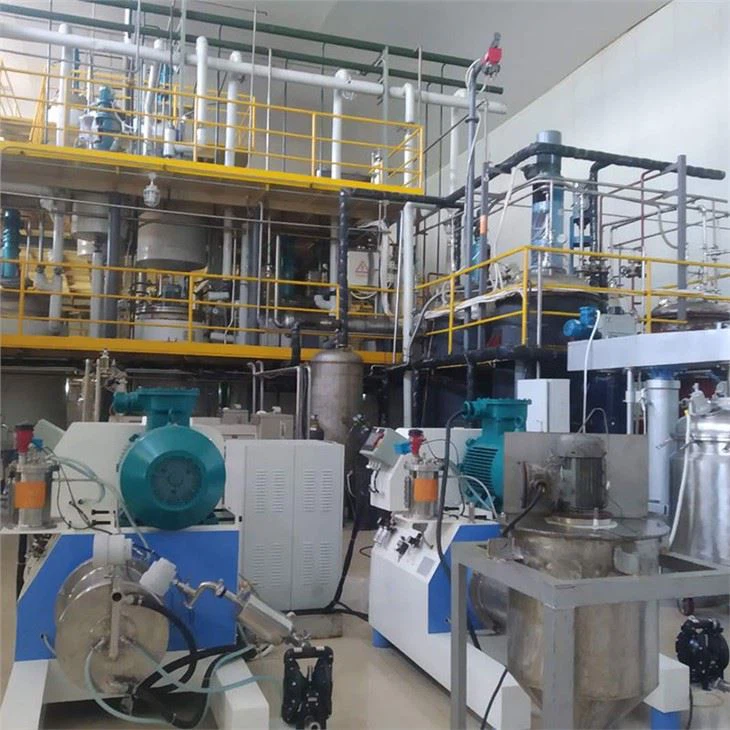
High - level automation is where the real magic happens. In these production lines, machines take over almost all aspects of the manufacturing process. Robots are used for tasks like welding, painting, and assembly. Automated guided vehicles (AGVs) move materials and products around the factory floor. And advanced software systems manage the entire production process, from inventory control to quality assurance.
One of the biggest advantages of high - level automation is the high level of precision and consistency. Machines can perform tasks with an accuracy that is difficult for humans to achieve. This leads to fewer defects and higher - quality products. Also, high - level automation can significantly increase productivity. Machines can work 24/7 without getting tired, which means more products can be produced in less time.
However, high - level automation also comes with its challenges. The initial investment in equipment and software is substantial. There's also a need for highly skilled technicians to operate and maintain these complex systems. And in some cases, high - level automation can lead to job losses, which is a concern for many communities.
Our Production Lines
As a production line supplier, we offer a range of production lines with different automation levels to meet the diverse needs of our customers. For example, our Paint Production Line can be customized to have different levels of automation. If you're a small paint manufacturer with a limited budget, we can provide a low - level automated line that still gets the job done. On the other hand, if you're a large - scale paint producer looking for maximum efficiency, our high - level automated paint production line is the way to go.
We also have a Graphene Production Line. Graphene is a high - tech material with a wide range of applications, and our production line can be set up to produce it with a high degree of precision and consistency, thanks to our advanced automation technologies.
And for those in the automotive industry, our Car Paint Production Line is designed to meet the strict quality and efficiency requirements of car manufacturers. Whether you need a medium - level automated line for a small - scale car painting operation or a high - level automated line for a large - scale production plant, we've got you covered.
Why Choose Our Production Lines?
When you choose our production lines, you're not just getting a piece of equipment. You're getting a complete solution. We offer comprehensive after - sales service, including installation, training, and maintenance. Our team of experts will work with you to understand your specific needs and recommend the best automation level for your production line.
We also stay up - to - date with the latest technologies in the industry. This means that our production lines are equipped with the most advanced automation features, ensuring that you get the highest level of productivity and quality.
Contact Us for a Purchase
If you're interested in learning more about our production lines and how they can benefit your business, we'd love to hear from you. Whether you're just starting out and need a low - level automated production line or you're looking to upgrade your existing facilities to a high - level automated system, we can help. Contact us today to start a conversation about your production line needs and explore the possibilities of automation.
References
- "Automation in Manufacturing: A Guide to Technologies and Applications" by John Doe
- "The Future of Production Lines: Trends in Automation" by Jane Smith
- Industry reports from leading manufacturing associations.