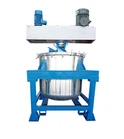
Hey there! As a supplier of Paint Bead Mills, I know firsthand how crucial it is for these machines to run smoothly. The electrical system of a paint bead mill is like its nervous system, controlling all the vital functions. When things go wrong with the electrical system, it can bring your production to a halt. So, let's dive into how to troubleshoot the electrical system of a paint bead mill.


Understanding the Basics of a Paint Bead Mill's Electrical System
Before we start troubleshooting, it's important to have a basic understanding of what makes up the electrical system of a paint bead mill. Typically, it includes a power supply, control panel, motors, sensors, and wiring. The power supply provides the electricity needed to run the mill, the control panel allows you to adjust settings and monitor the machine, the motors drive the various components like the agitator and the pump, sensors detect things like temperature and pressure, and the wiring connects all these parts together.
Power Supply Issues
One of the first things to check when troubleshooting is the power supply. If the mill isn't turning on at all, it could be a problem with the power source. First, make sure the mill is properly plugged in. Sounds simple, but you'd be surprised how often this is the issue. Check the circuit breaker or fuse box to see if a breaker has tripped or a fuse has blown. If so, reset the breaker or replace the fuse.
Another thing to consider is the voltage. Paint bead mills usually require a specific voltage to operate correctly. Use a multimeter to check the voltage at the power outlet. If the voltage is too low or too high, it could cause problems with the mill's electrical components. In some cases, you may need to consult an electrician to fix the voltage issue.
Control Panel Problems
The control panel is where you interact with the mill, so if it's not working properly, it can be a real headache. If you're having trouble getting the control panel to turn on, check the power connection to the panel. Sometimes, a loose or damaged wire can prevent the panel from receiving power.
If the control panel is on but you're getting error messages or the settings aren't working as they should, it could be a software issue. Try resetting the control panel to its default settings. Most control panels have a reset button or a way to perform a factory reset in the menu. If that doesn't work, you may need to update the software. Check the manufacturer's website for the latest software updates and follow the instructions to install them.
Motor Malfunctions
Motors are the workhorses of a paint bead mill, so when they malfunction, it can seriously affect the mill's performance. If a motor isn't running at all, check the power connection to the motor. Just like with the control panel, a loose or damaged wire can prevent the motor from getting power.
If the motor is running but it's making strange noises or vibrating excessively, it could be a sign of a mechanical problem. Check the motor's bearings to see if they're worn out. Worn bearings can cause the motor to run unevenly and make noise. You may need to replace the bearings if they're damaged.
Another possible issue is overheating. Motors can overheat if they're overloaded or if there's a problem with the cooling system. Check the motor's ventilation to make sure it's not blocked. If the motor is overheating, turn it off and let it cool down before trying to operate it again.
Sensor Failures
Sensors play an important role in the operation of a paint bead mill by providing feedback on things like temperature, pressure, and level. If a sensor is malfunctioning, it can cause the mill to operate incorrectly or shut down unexpectedly.
If you're getting inaccurate readings from a sensor, first check the sensor's connection. Make sure it's properly plugged in and that the wiring is in good condition. Sometimes, a loose connection can cause the sensor to give false readings.
If the connection is fine, the sensor itself may be faulty. You can test the sensor using a multimeter or other testing equipment. If the sensor is indeed faulty, you'll need to replace it. Make sure to use a sensor that's compatible with your paint bead mill.
Wiring Problems
Wiring is the backbone of the electrical system, so any issues with the wiring can cause a variety of problems. Over time, wiring can become damaged due to wear and tear, vibration, or exposure to chemicals.
If you notice any frayed or damaged wires, it's important to replace them immediately. Frayed wires can cause short circuits, which can damage the mill's electrical components and even pose a fire hazard. When replacing wires, make sure to use the correct gauge and type of wire for the application.
Another thing to check is the wire connections. Loose connections can cause intermittent problems and can also lead to overheating. Make sure all the wire connections are tight and secure.
When to Call a Professional
While many electrical problems with a paint bead mill can be fixed by following the steps above, there are times when it's best to call a professional. If you're not comfortable working with electricity or if you're unable to diagnose the problem on your own, it's better to seek the help of a qualified electrician or a technician who specializes in paint bead mills.
A professional will have the tools and expertise to diagnose and fix complex electrical problems safely and efficiently. They can also perform regular maintenance on the mill's electrical system to prevent future problems.
Conclusion
Troubleshooting the electrical system of a paint bead mill can be a challenging task, but by following the steps outlined above, you can often identify and fix the problem on your own. Remember to always prioritize safety when working with electricity and to call a professional if you're unsure.
If you're in the market for a new Bead Mill, Laboratory Bead Mill, or Titanium Dioxide Bead Mill, we're here to help. Our team of experts can provide you with the right equipment and support to keep your production running smoothly. If you have any questions or would like to discuss your specific needs, don't hesitate to reach out to us. We're ready to assist you in finding the perfect solution for your business.
References
- Electrical Troubleshooting Handbook for Industrial Equipment
- Paint Bead Mill User Manuals