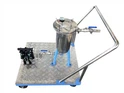
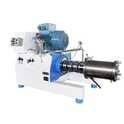
Hey there! As a bead mill supplier, I've seen firsthand how important proper maintenance is for these machines. A well - maintained bead mill not only runs smoothly but also has a longer lifespan, which saves you a ton of money in the long run. So, let's dive into what maintenance a bead mill needs.
Regular Cleaning
One of the most basic yet crucial maintenance tasks for a bead mill is regular cleaning. Over time, the materials being processed can build up inside the mill, which can affect its performance. For example, if you're using a Pesticide SC Bead Mill to process pesticides, the chemicals can leave residues that might clog the mill or corrode its parts.
To clean the bead mill, start by shutting it down and disconnecting it from the power source. Then, carefully open the mill and remove any remaining beads and material. Use a suitable cleaning agent to wash the internal parts. Make sure to follow the manufacturer's instructions when choosing the cleaning agent, as some chemicals might damage the mill. After washing, rinse the parts thoroughly with clean water and dry them completely before reassembling the mill.
Inspection of Wear Parts
Bead mills have several wear - prone parts that need to be inspected regularly. The grinding chamber, for instance, takes a lot of abuse during the grinding process. The high - speed rotation of the beads and the friction with the materials can cause the walls of the grinding chamber to wear down. If the wear is severe, it can lead to leaks or a decrease in grinding efficiency.
Another important wear part is the agitator. The agitator is responsible for moving the beads and materials around in the grinding chamber. Over time, the blades of the agitator can become worn or bent. A damaged agitator won't be able to mix the materials and beads effectively, which can result in uneven grinding.
You should also check the seals regularly. Seals prevent the leakage of materials and coolant from the mill. If the seals are worn or damaged, it can lead to messy spills and potential damage to the surrounding equipment. Replace any worn - out seals as soon as possible to avoid these problems.
Lubrication
Proper lubrication is essential for the smooth operation of a bead mill. The moving parts of the mill, such as the bearings and the drive shaft, need to be lubricated regularly. Lubrication reduces friction between the parts, which in turn reduces wear and tear and helps the mill run more efficiently.
When lubricating the bead mill, use the lubricant recommended by the manufacturer. Different mills may require different types of lubricants, so it's important to get it right. Apply the lubricant according to the specified intervals. Over - lubrication can be just as bad as under - lubrication, as it can attract dirt and debris, which can cause damage to the parts.
Calibration
Calibration is another key aspect of bead mill maintenance. The settings of the mill, such as the speed, temperature, and pressure, need to be calibrated regularly to ensure accurate and consistent grinding results. For example, if you're using a Sand Mill For Kaolin, the correct speed and pressure are crucial for achieving the desired particle size of the kaolin.
To calibrate the mill, you'll need to use specialized calibration tools. Follow the manufacturer's instructions carefully during the calibration process. If you're not confident in your calibration skills, it might be a good idea to hire a professional to do it for you.
Coolant System Maintenance
Many bead mills use a coolant system to keep the temperature of the grinding chamber under control. The coolant absorbs the heat generated during the grinding process, preventing the mill from overheating. Overheating can not only damage the mill but also affect the quality of the ground materials.
You should regularly check the coolant level in the system. If the level is low, add more coolant according to the manufacturer's specifications. Also, inspect the coolant for any signs of contamination, such as dirt or debris. Contaminated coolant can clog the coolant channels and reduce the cooling efficiency. If the coolant is contaminated, drain it and replace it with fresh coolant.
Belt and Chain Tension
If your bead mill uses belts or chains for power transmission, you need to check their tension regularly. Loose belts or chains can slip, which can cause a loss of power and a decrease in grinding efficiency. On the other hand, overly tight belts or chains can put too much stress on the bearings and other components, leading to premature wear.
To check the belt or chain tension, follow the manufacturer's guidelines. You may need to use a tension gauge to measure the tension accurately. Adjust the tension as needed by tightening or loosening the appropriate bolts or nuts.
Electrical System Check
The electrical system of the bead mill is another area that requires regular maintenance. Check the wiring for any signs of damage, such as frayed wires or loose connections. Damaged wiring can pose a safety hazard and can also cause the mill to malfunction.
Inspect the electrical components, such as the motor and the control panel. Make sure they are clean and free of dust and debris. If you notice any strange noises or smells coming from the electrical components, it could be a sign of a problem. In such cases, it's best to shut down the mill immediately and call a professional electrician to diagnose and fix the issue.
Monitoring of Grinding Performance
Finally, you should continuously monitor the grinding performance of the bead mill. Keep track of the particle size distribution of the ground materials, the throughput, and the energy consumption. Any significant changes in these parameters could indicate a problem with the mill.


For example, if the particle size of the ground materials suddenly becomes larger than usual, it could mean that the wear parts are worn out or that the mill needs to be calibrated. By monitoring the grinding performance, you can catch problems early and take corrective action before they become major issues.
In conclusion, maintaining a bead mill is a multi - faceted task that requires regular attention to various aspects of the machine. By following these maintenance tips, you can ensure that your bead mill, whether it's a Titanium Dioxide Bead Mill or any other type, runs smoothly and efficiently for a long time.
If you're in the market for a new bead mill or need more information about bead mill maintenance, don't hesitate to get in touch with us. We're here to help you make the best choice for your grinding needs and ensure that your mill performs at its best.
References
- Manufacturer's manuals for bead mills
- Industry best practices for bead mill maintenance