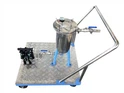
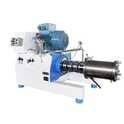
When it comes to industrial equipment for dispersion and grinding processes, the Laboratory Basket Mill is a crucial tool for many industries. As a supplier of Laboratory Basket Mills, I often receive inquiries about the price range of these machines. Understanding the factors that influence the price can help potential buyers make informed decisions.
Factors Affecting the Price of Laboratory Basket Mills
1. Size and Capacity
One of the most significant factors influencing the price of a Laboratory Basket Mill is its size and capacity. Smaller mills designed for laboratory-scale operations with lower processing capacities generally come at a lower price. These are suitable for research and development purposes or small-batch production. For instance, a compact mill with a capacity of less than 10 liters might be priced more affordably, typically starting from a few thousand dollars.


On the other hand, larger basket mills with higher capacities, which are suitable for industrial production, can cost significantly more. Mills with capacities of 50 liters or more often require more robust construction, larger motors, and more advanced control systems, all of which contribute to a higher price tag. The price for such large-capacity mills can range from tens of thousands to even hundreds of thousands of dollars, depending on the specific features and customization requirements.
2. Material Quality
The materials used in the construction of the Laboratory Basket Mill also play a vital role in determining its price. High-quality materials, such as corrosion-resistant alloys for the basket and grinding chamber, can increase the cost of the mill. These materials are essential for applications where the mill will be in contact with aggressive chemicals or abrasive substances. For example, in the production of Basket Mill For Colorant, the use of materials that can withstand the pigments and solvents is crucial. Mills made with premium materials are more durable and require less maintenance over time, but they come at a higher initial cost.
In contrast, mills made with standard materials may be more affordable but may not be suitable for demanding applications. They may have a shorter lifespan and require more frequent replacement of parts, which can lead to higher long-term costs.
3. Technical Features
Modern Laboratory Basket Mills come with a wide range of technical features that can significantly impact their price. Features such as variable speed drives, advanced temperature control systems, and automated operation functions add to the sophistication of the mill but also increase its cost.
Variable speed drives allow for precise control of the grinding and dispersion process, which is essential for achieving consistent results. Advanced temperature control systems can prevent overheating of the product during processing, which is crucial for heat-sensitive materials. Automated operation functions, such as programmable grinding cycles and remote monitoring capabilities, can improve productivity and reduce the need for manual labor.
On the other hand, basic models with fewer technical features are more budget-friendly. These mills may be suitable for simple applications where the requirements for precision and automation are not as high.
4. Brand and Manufacturer Reputation
The brand and reputation of the manufacturer also influence the price of the Laboratory Basket Mill. Well-established brands with a history of producing high-quality and reliable equipment often charge a premium for their products. These brands invest heavily in research and development, quality control, and customer support, which is reflected in the price of their mills.
Buying from a reputable manufacturer can provide peace of mind, as you can expect better after-sales service, more reliable performance, and access to technical expertise. However, there are also many lesser-known manufacturers that offer good quality Laboratory Basket Mills at more competitive prices. These manufacturers may not have the same level of brand recognition but can still provide reliable equipment.
Price Range of Laboratory Basket Mills
Based on the factors mentioned above, the price range of Laboratory Basket Mills can vary widely.
For small-scale laboratory models with basic features and a capacity of less than 10 liters, the price can range from approximately $2,000 to $10,000. These mills are suitable for educational institutions, small research laboratories, and start-up companies.
Mid-range Laboratory Basket Mills with capacities between 10 and 50 liters and more advanced features, such as variable speed drives and temperature control, typically cost between $10,000 and $50,000. These mills are suitable for medium-sized production facilities and larger research laboratories.
Large-capacity industrial Laboratory Basket Mills with capacities over 50 liters and state-of-the-art technical features can cost upwards of $50,000 and can go as high as $200,000 or more, depending on the specific requirements. These mills are designed for high-volume production and are often customized to meet the unique needs of the customer.
Application-Specific Basket Mills
In addition to the general Laboratory Basket Mills, there are also application-specific models available. For example, the Basket Mill For Ceramic Ink is designed specifically for the production of ceramic inks. These mills require special features and materials to ensure the proper dispersion and grinding of the ceramic pigments. As a result, they may have a different price range compared to general-purpose mills.
Similarly, the Lab Basket Mill For Dispersion Pigment is optimized for the dispersion of pigments. It may have different grinding mechanisms and control systems to achieve the desired particle size distribution and dispersion quality. The price of these application-specific mills will depend on the specific requirements and features incorporated.
Conclusion and Call to Action
In conclusion, the price range of Laboratory Basket Mills is influenced by various factors, including size and capacity, material quality, technical features, and brand reputation. By understanding these factors, potential buyers can determine the most suitable mill for their needs and budget.
If you are interested in purchasing a Laboratory Basket Mill for your specific application, whether it is for colorant production, ceramic ink manufacturing, or pigment dispersion, I encourage you to contact us for a detailed consultation. Our team of experts can provide you with accurate pricing information based on your requirements and help you select the best mill for your production process. We are committed to providing high-quality equipment and excellent customer support to ensure your satisfaction.
References
- Various industry reports on the manufacturing and pricing of laboratory equipment.
- Technical specifications and brochures from different Laboratory Basket Mill manufacturers.