Hey there, fellow industry peeps! As a bead mill supplier, I've seen my fair share of bead mills in action, and I know that, just like any piece of equipment, they can run into a few snags. In this blog, I'm gonna chat about the common faults of a bead mill and how you can deal with 'em.
1. Wear and Tear of Grinding Media
One of the most common issues with bead mills is the wear and tear of grinding media. The grinding media, usually beads made of materials like zirconia, glass, or stainless steel, are the workhorses of the mill. They're constantly colliding with each other and the material being ground, which causes them to wear down over time.
When the grinding media wear down, they become smaller in size. This can lead to inconsistent grinding results because smaller beads may not be as effective at breaking down larger particles. Also, the worn - down beads can generate more heat during the grinding process, which might damage heat - sensitive materials.
To tackle this problem, regular inspection of the grinding media is a must. You should check the size and shape of the beads periodically. If you notice a significant amount of wear, it's time to replace the grinding media. And when you're choosing new grinding media, make sure to select the right type and size for your specific application. For instance, if you're working on a Nano Material Bead Mill, you'll need ultra - fine grinding media.
2. Seal Leakage
Seal leakage is another headache for bead mill users. The seals in a bead mill are crucial for keeping the grinding chamber air - tight and preventing the leakage of the grinding material and coolant. Over time, the seals can wear out due to constant friction, chemical exposure, or high - pressure operation.
When a seal starts to leak, you'll notice a loss of pressure in the mill, which can affect the grinding efficiency. Moreover, the leaked material can contaminate the surrounding area, posing a safety hazard and potentially causing damage to other equipment.
To prevent seal leakage, regular maintenance of the seals is essential. Check the seals for any signs of damage, such as cracks or deformation. Replace the seals if necessary. Also, make sure to use the right type of seal for your bead mill, considering factors like the type of material being ground and the operating pressure. Our ESW - 750 Lab Scale Horizontal Bead Mill is designed with high - quality seals to minimize the risk of leakage.
3. Motor Overheating
The motor is the heart of a bead mill, and overheating can be a serious problem. There are several reasons why a motor might overheat in a bead mill. One common cause is overloading. If you're trying to grind too much material at once or using a bead mill with a motor that's too small for the job, the motor will have to work harder, generating more heat.
Another cause could be poor ventilation. If the motor's cooling system is blocked or not working properly, the heat can't dissipate, leading to overheating. Also, electrical problems, such as a short - circuit or loose connections, can cause the motor to draw more current and overheat.
To avoid motor overheating, make sure you're not overloading the bead mill. Follow the manufacturer's guidelines on the maximum capacity. Keep the motor area clean and free of debris to ensure proper ventilation. Regularly check the electrical connections and have the motor inspected by a professional if you suspect any electrical issues.
4. Clogging of the Screen or Filter
Bead mills often use screens or filters to separate the grinding media from the finished product. However, these screens or filters can get clogged over time. This usually happens when the material being ground has a high viscosity or contains large particles that can't pass through the screen easily.
When the screen or filter is clogged, the flow of the material through the bead mill is restricted. This can lead to a decrease in the grinding efficiency and an increase in the pressure inside the mill, which may cause other problems like seal leakage or motor overheating.
To prevent clogging, you can pre - process the material to reduce its viscosity or remove large particles. Regularly clean the screen or filter to keep it free from blockages. Some bead mills are designed with self - cleaning mechanisms, which can be a great option to avoid downtime caused by clogging. Our Aluminum Dioxide Bead Mill is engineered to minimize the chances of clogging, but still, a bit of maintenance goes a long way.
5. Vibration and Noise Issues
Excessive vibration and noise are not only annoying but can also indicate underlying problems with the bead mill. Vibration can be caused by an unbalanced rotor or improper installation of the mill. When the rotor is not balanced, it can create uneven forces during operation, leading to excessive vibration.

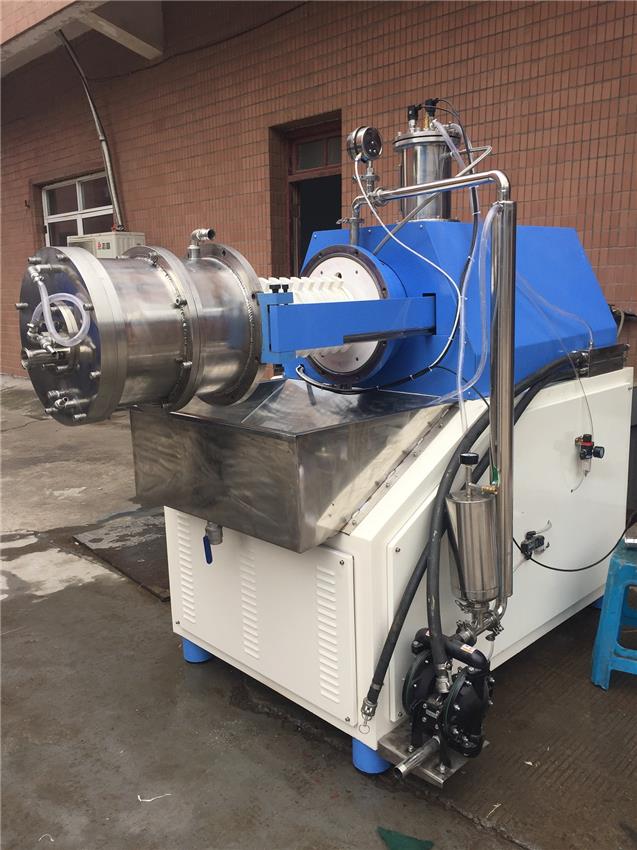
Noise can also be a sign of mechanical problems. For example, worn - out bearings or loose parts can produce loud noises. Continuous exposure to high - level noise can be harmful to the operators' hearing and can also affect the working environment.
To address vibration issues, you need to make sure the bead mill is properly installed and leveled. Check the rotor for balance and make any necessary adjustments. If the vibration persists, it might be a sign of a more serious mechanical problem, and you should consult a professional. For noise reduction, lubricate the moving parts regularly to reduce friction. Replace any worn - out bearings or parts that are causing the noise.
6. Inconsistent Grinding Results
In some cases, you might notice that the bead mill is producing inconsistent grinding results. This could be due to several factors. One of the main reasons is the variation in the feed rate of the material. If the material is not being fed into the mill at a consistent rate, the grinding process won't be uniform.
Another factor could be the temperature of the grinding chamber. If the temperature fluctuates during the grinding process, it can affect the viscosity of the material and the performance of the grinding media, leading to inconsistent results.
To ensure consistent grinding results, use a feeder that can maintain a stable feed rate. Monitor and control the temperature of the grinding chamber. You can use a cooling system to keep the temperature within the optimal range.
In conclusion, while bead mills are powerful and efficient pieces of equipment, they can encounter a variety of problems. By being aware of these common faults and taking preventive measures, you can keep your bead mill running smoothly and extend its lifespan.
If you're facing any of these issues with your current bead mill or you're looking to purchase a new one, don't hesitate to reach out. We're here to help you find the best bead mill solution for your specific needs. Whether it's the ESW - 750 Lab Scale Horizontal Bead Mill, the Nano Material Bead Mill, or the Aluminum Dioxide Bead Mill, we've got you covered. Let's start a conversation and see how we can work together to optimize your grinding operations.
References
- Various technical manuals of bead mills
- Industry - wide research on bead mill performance and maintenance