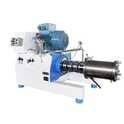
In the dynamic landscape of chemical and industrial processes, mixing reactors play a pivotal role. As a leading supplier of Mixing Reactor, I've witnessed firsthand the evolution of these essential pieces of equipment. In this blog, I'll explore the future development trends of mixing reactors, drawing on industry insights and technological advancements.
1. Enhanced Efficiency and Energy Savings
One of the most significant trends in the future of mixing reactors is the drive for enhanced efficiency and energy savings. With the increasing focus on sustainability and cost - effectiveness, industries are demanding reactors that can achieve better mixing results with less energy consumption.
Advanced impeller designs are at the forefront of this trend. Traditional impellers are being replaced with more sophisticated ones that are optimized for specific mixing tasks. For example, high - shear impellers can break down large particles more effectively, reducing the mixing time and energy required. Computational Fluid Dynamics (CFD) is being increasingly used to design these impellers. CFD simulations allow engineers to model the flow patterns inside the reactor, enabling them to fine - tune the impeller shape, size, and speed for maximum efficiency.
Another aspect of energy savings is the use of variable - speed drives. Instead of running the mixing reactor at a constant speed, variable - speed drives allow the operator to adjust the speed according to the mixing requirements. This not only saves energy but also extends the lifespan of the equipment by reducing wear and tear.
2. Integration of Smart Technologies
The era of the Internet of Things (IoT) has reached the mixing reactor industry. Smart sensors are being integrated into mixing reactors to monitor various parameters such as temperature, pressure, pH, and viscosity in real - time. These sensors can transmit data wirelessly to a central control system, allowing operators to make informed decisions and optimize the mixing process.
For instance, if the temperature inside the reactor exceeds a certain threshold, the control system can automatically adjust the cooling system or slow down the mixing speed to prevent overheating. Predictive maintenance is another benefit of smart technologies. By analyzing the data collected from the sensors, the system can predict when a component is likely to fail, enabling proactive maintenance and reducing downtime.
Artificial intelligence (AI) and machine learning algorithms are also being applied to mixing reactors. These algorithms can analyze large amounts of data from multiple sensors to identify patterns and optimize the mixing process. They can learn from past operations and make adjustments to improve the quality and consistency of the final product.
3. Customization and Modularity
Every industry has unique mixing requirements, and the future of mixing reactors lies in customization. As a supplier, we are seeing an increasing demand for reactors that can be tailored to specific applications. This includes custom - designed impellers, baffles, and vessel shapes to meet the specific mixing needs of different chemicals, pharmaceuticals, or food products.
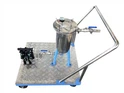
Modularity is also a growing trend. Instead of purchasing a large, monolithic reactor, companies are opting for modular systems that can be easily expanded or reconfigured. Movable Tank and Vessel options provide flexibility, allowing companies to move the reactor to different locations within the plant or even between different plants. This modular approach reduces the initial investment and provides the ability to adapt to changing production requirements.
4. Improved Safety Features
Safety is always a top priority in industrial processes, and mixing reactors are no exception. In the future, we can expect to see more advanced safety features incorporated into mixing reactors.
One area of improvement is in the design of the reactor vessel. New materials and manufacturing techniques are being used to create vessels that are more resistant to corrosion, pressure, and temperature. This reduces the risk of leaks and explosions, which can have serious consequences for both the environment and human health.


Emergency shutdown systems are also becoming more sophisticated. These systems can detect abnormal conditions such as a sudden increase in pressure or a drop in temperature and automatically shut down the reactor to prevent a disaster. Additionally, remote monitoring and control capabilities allow operators to shut down the reactor from a safe distance in case of an emergency.
5. Compatibility with Green Chemistry
As the world moves towards a more sustainable future, the chemical industry is embracing green chemistry principles. Mixing reactors need to be compatible with these principles, which include using renewable raw materials, reducing waste, and minimizing the use of hazardous chemicals.
Reactors are being designed to handle bio - based feedstocks more effectively. This may involve modifications to the impeller design and the use of materials that are resistant to the unique properties of bio - based chemicals. Additionally, new mixing techniques are being developed to improve the efficiency of reactions that use green solvents.
The reduction of waste is another important aspect. Mixing reactors can be optimized to ensure that reactions go to completion, minimizing the amount of unreacted materials and by - products. This not only reduces waste but also improves the overall efficiency of the process.
6. Scalability
In the early stages of product development, companies often start with small - scale mixing reactors for research and development purposes. However, as the product moves towards commercialization, there is a need for reactors that can be scaled up easily.
Future mixing reactors will be designed with scalability in mind. This means that the design principles and mixing mechanisms used in small - scale reactors can be applied to larger - scale reactors without significant loss of efficiency or performance. Computational modeling and simulation techniques are being used to predict how a reactor will perform at different scales, allowing for a more seamless transition from laboratory to industrial production.
Conclusion
The future of mixing reactors is bright, with a wide range of exciting development trends on the horizon. Enhanced efficiency, integration of smart technologies, customization, improved safety, compatibility with green chemistry, and scalability are all key factors that will shape the industry in the coming years.
As a supplier of Mixing Reactor, we are committed to staying at the forefront of these trends and providing our customers with the most advanced and innovative mixing solutions. If you're in the market for a mixing reactor or looking to upgrade your existing equipment, I encourage you to reach out to us. Our team of experts can work with you to understand your specific requirements and provide a customized solution that meets your needs. Whether you're in the chemical, pharmaceutical, food, or any other industry, we have the knowledge and experience to help you achieve your production goals.
References
- Smith, J. (2020). Advances in Mixing Reactor Technology. Chemical Engineering Journal.
- Johnson, A. (2021). The Role of Smart Technologies in Industrial Mixing Reactors. Industrial Automation Review.
- Brown, C. (2019). Green Chemistry and Mixing Reactors: A Sustainable Future. Environmental Science and Technology.