Hey there! As a supplier of paint production lines, I often get asked this question: How often should a paint production line be cleaned? Well, it's not a one - size - fits - all answer, and there are a bunch of factors that come into play. Let's dig into this topic and figure out the best cleaning frequencies for different scenarios.
Why Cleaning is Crucial
First off, let me emphasize why cleaning your paint production line is so important. In a paint production environment, there are all sorts of substances floating around. Pigments, resins, solvents, and various additives can build up over time. If you don't clean regularly, this buildup can lead to a whole host of problems.
For one, it can affect the quality of the paint you're producing. Some residues might contaminate the new batches, causing color variations or inconsistent textures. Also, the equipment's performance can take a hit. Clogged pipes or nozzles can slow down the production process, and in some extreme cases, even cause breakdowns, which can cost you both time and money.
Factors Affecting Cleaning Frequency
Type of Paint
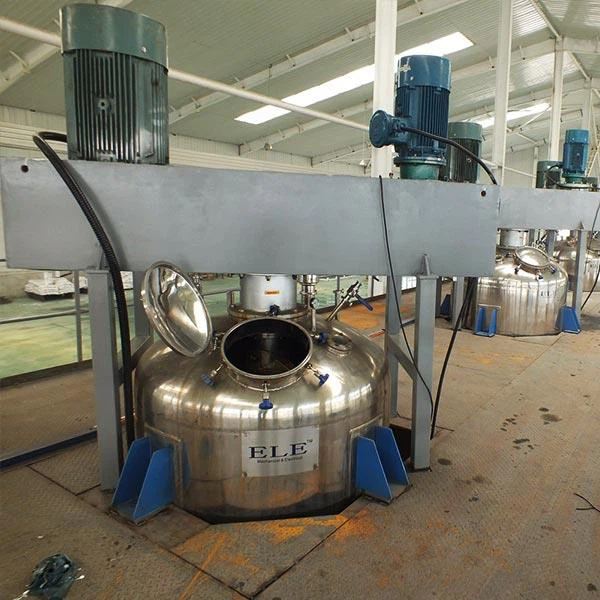
The kind of paint you're making plays a huge role in determining how often you need to clean the line. For example, if you're operating a Pigment Dyes Production Line, these production lines typically need more frequent cleaning. Pigment dyes are often highly concentrated and can leave stubborn residues. They can also be prone to clumping inside the equipment if not properly removed, which means you might need to clean the line after every few batches.
On the other hand, if you're dealing with a more standard water - based paint, the cleaning frequency might be less intense. Water - based paints are generally easier to clean up because they don't have the same sticky, solvent - based residues as some other types of paint. You might be able to go a bit longer between cleanings, like after every 5 - 10 batches, depending on other factors.
Production Volume
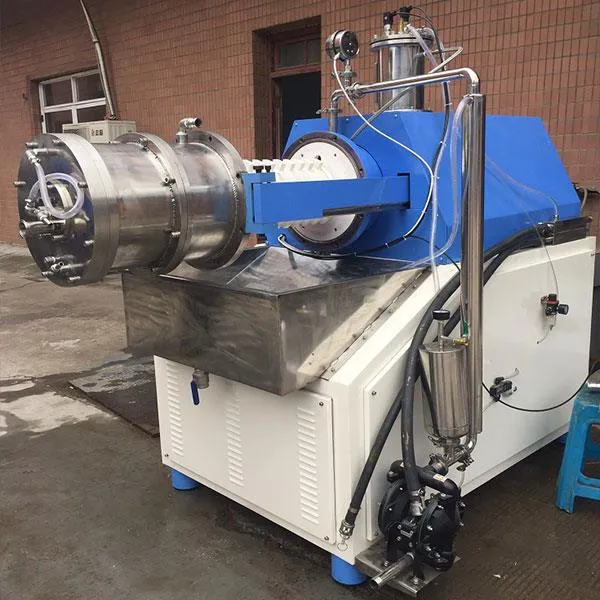
How much paint you're churning out matters too. High - volume production lines see a constant flow of materials, which means that residue accumulates much faster. In a high - volume setting, you might need to clean the production line daily or even multiple times a day. For instance, a Car Paint Production Line that's in full - throttle production mode to meet automotive industry demands needs regular and thorough cleanings. This is to ensure that the high - quality finishes expected in the auto industry are consistently achieved.
Conversely, if you have a low - volume production line, say for producing specialty paints in small quantities, you can get away with less frequent cleanings. Maybe once a week or even once every two weeks could be sufficient, as long as the paint doesn't have any particularly difficult - to - clean components.
Change in Paint Formulation
Whenever you switch from one paint formulation to another, it's almost always a good idea to give the production line a thorough cleaning. Different paint formulations can react with residues from the previous batch. For example, if you move from a solvent - based paint to a water - based paint, the solvent residues could cause issues with the new water - based formula, like forming emulsions or affecting the drying time. So, between each major formulation change, make sure to clean the whole line to prevent any cross - contamination.
Recommended Cleaning Schedules
Daily Cleaning
Daily cleaning is a must for many high - volume paint production lines, especially those dealing with complex formulas or high - pigmentation paints. This usually involves a quick but comprehensive surface cleaning. You'll want to wipe down all visible parts of the equipment, check and clean any nozzles or spray guns, and make sure that the transfer pipes are free of any obvious blockages. This kind of daily maintenance can prevent minor issues from turning into major production - halting problems.
Weekly Cleaning
For most paint production lines, a more in - depth weekly cleaning is essential. This is when you really dig into the equipment and clean those hard - to - reach areas. You can disassemble some components if needed, soak them in appropriate cleaning solutions (like solvent - based cleaners for removing stubborn paint residues), and then reassemble and test them. Weekly cleanings also give you a chance to inspect the equipment for any signs of wear and tear, which can help you plan for maintenance or replacement parts.
Monthly Cleaning
A monthly cleaning is a more comprehensive affair. This is the time to perform a system - wide flush of the production line. You'll use industrial - strength cleaners to clean the entire piping system, tanks, and storage containers. This helps to remove any deeply embedded residues that have built up over time. It's also a great opportunity to conduct a full equipment check - up, including checking electrical connections, motor functions, and the overall alignment of the production line.
Special Considerations
If your production line includes a Graphene Production Line, additional precautions are needed. Graphene is a high - end material with unique properties. The production process can be very sensitive to contamination. You'll need to follow strict cleaning procedures, often with specialized cleaning agents that won't damage the graphene structure. You might even need to increase the cleaning frequency compared to a regular paint production line, perhaps with daily surface cleanings and more in - depth cleanings at least twice a week.
Conclusion
So, as you can see, there's no single answer to how often a paint production line should be cleaned. It all depends on factors like the type of paint, production volume, and changes in formulation. By understanding these factors and following the recommended cleaning schedules, you can keep your paint production line running smoothly, produce high - quality paint consistently, and avoid costly downtime.
If you're in the market for a new paint production line or want to optimize your current cleaning processes, I'd love to have a chat with you. Contact us to discuss your specific needs and find the best solutions for your paint production.
References
- Industry research on paint production line maintenance
- Supplier guidelines for paint production equipment
- Previous case studies on optimizing paint production line cleaning schedules