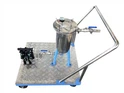
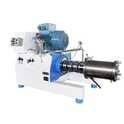
In the manufacturing and packaging industries, filling machines have become indispensable tools for efficiently filling various products into containers. As a supplier of filling machines, I have witnessed firsthand the numerous advantages these machines offer, such as increased productivity, accuracy, and consistency. However, it's important to also acknowledge that there are certain disadvantages associated with using filling machines. Understanding these drawbacks can help businesses make informed decisions when considering the implementation of filling machines in their operations.
High Initial Investment
One of the most significant disadvantages of using a filling machine is the high initial investment required. Purchasing a filling machine can be a substantial financial commitment, especially for small and medium-sized enterprises (SMEs). The cost of a filling machine can vary widely depending on its type, capacity, and features. For instance, a basic semi-automatic filling machine may cost a few thousand dollars, while a fully automatic high-speed filling line can cost hundreds of thousands of dollars. In addition to the purchase price, businesses also need to consider the cost of installation, training, and maintenance. These additional expenses can further increase the overall investment required to implement a filling machine.
Complexity and Technical Expertise
Filling machines are complex pieces of equipment that require specialized technical knowledge and expertise to operate and maintain. Operating a filling machine involves setting up the machine, adjusting the filling parameters, and monitoring the production process. Any errors in the setup or operation of the machine can lead to product quality issues, such as inaccurate filling volumes, spillage, or contamination. Moreover, filling machines require regular maintenance to ensure optimal performance and reliability. This includes cleaning, lubricating, and replacing worn-out parts. Without proper maintenance, the machine may break down, leading to costly downtime and production losses.
Limited Flexibility
Another disadvantage of using a filling machine is its limited flexibility. Most filling machines are designed to fill specific types of products and containers. For example, a filling machine designed for filling liquids may not be suitable for filling powders or granules. Similarly, a filling machine designed for filling small bottles may not be able to handle large containers. This lack of flexibility can be a significant drawback for businesses that produce a wide range of products or use different types of containers. In such cases, businesses may need to invest in multiple filling machines to meet their production needs, which can further increase the cost and complexity of their operations.


Product Compatibility Issues
Filling machines may also face compatibility issues with certain products. Some products may have unique properties, such as high viscosity, foaming, or sensitivity to temperature or pressure. These properties can pose challenges for filling machines, as they may require special handling or processing techniques. For example, filling a high-viscosity product may require a more powerful pump or a different filling method. Similarly, filling a foaming product may require a defoaming device to prevent overfilling or spillage. In some cases, the product may react with the materials used in the filling machine, leading to corrosion, contamination, or product degradation.
Maintenance and Downtime
As mentioned earlier, filling machines require regular maintenance to ensure optimal performance and reliability. However, maintenance activities can also lead to downtime, which can disrupt production and reduce efficiency. During maintenance, the machine needs to be shut down, and the production process needs to be interrupted. This can result in lost production time and revenue. Moreover, unexpected breakdowns can also occur, which can cause significant downtime and production losses. Repairing a filling machine can be time-consuming and expensive, especially if the spare parts are not readily available.
Environmental Impact
The use of filling machines can also have an environmental impact. Filling machines consume energy, water, and other resources during operation. The energy consumption of a filling machine depends on its type, size, and operating conditions. For example, a fully automatic high-speed filling line may consume more energy than a semi-automatic filling machine. Moreover, the use of packaging materials, such as bottles, cans, and cartons, can also contribute to environmental pollution. The production, transportation, and disposal of these packaging materials require energy and resources and can generate waste and emissions.
Quality Control Challenges
Ensuring product quality is a critical aspect of the manufacturing process. However, using a filling machine can pose challenges for quality control. Filling machines rely on sensors and control systems to monitor and adjust the filling process. However, these sensors and control systems may not be able to detect all types of quality issues. For example, a filling machine may be able to detect if the filling volume is within the specified range, but it may not be able to detect if the product is contaminated or if there are other quality defects. Moreover, the filling process can introduce variability, which can affect the consistency and quality of the product.
Regulatory Compliance
The use of filling machines is subject to various regulations and standards, such as food safety regulations, environmental regulations, and occupational health and safety regulations. These regulations and standards aim to protect the health and safety of consumers, workers, and the environment. Compliance with these regulations and standards can be a complex and challenging task for businesses. It requires businesses to ensure that their filling machines meet the relevant requirements and that they have appropriate procedures and controls in place to monitor and manage compliance. Failure to comply with these regulations and standards can result in fines, penalties, or legal liabilities.
Conclusion
While filling machines offer numerous advantages in terms of productivity, accuracy, and consistency, they also have certain disadvantages that need to be considered. These disadvantages include high initial investment, complexity and technical expertise requirements, limited flexibility, product compatibility issues, maintenance and downtime, environmental impact, quality control challenges, and regulatory compliance. Businesses need to carefully evaluate these disadvantages against the benefits of using a filling machine before making a decision.
As a supplier of filling machines, I understand the challenges that businesses face when considering the implementation of filling machines. That's why I offer a wide range of Filling Machine solutions to meet the diverse needs of my customers. Whether you need a simple semi-automatic filling machine or a fully automatic high-speed Automatic Filling Line, I can provide you with the right equipment and support. I also offer training and maintenance services to ensure that your filling machine operates efficiently and reliably.
If you are interested in learning more about our filling machine solutions or have any questions or concerns, please feel free to contact me. I would be happy to discuss your specific requirements and help you find the best filling machine solution for your business. Let's work together to improve your production efficiency and product quality.
References
- Smith, J. (2020). The Advantages and Disadvantages of Filling Machines. Packaging World.
- Jones, A. (2019). Filling Machine Technology: Trends and Challenges. Food and Beverage Packaging.
- Brown, R. (2018). Quality Control in Filling Machine Operations. Manufacturing Today.