Hey there! As a supplier of Reactor & Vessels, I've seen firsthand how temperature gradients can have a huge impact on reactor vessel performance. In this blog, I'm gonna break down what temperature gradients are, how they affect reactor vessels, and why it's crucial for you to understand these effects when making your purchasing decisions.
What are Temperature Gradients?
First things first, let's talk about what temperature gradients actually are. A temperature gradient is simply the change in temperature over a given distance. In a reactor vessel, this can occur due to a variety of factors, such as uneven heating or cooling, differences in the thermal conductivity of materials, and the flow of fluids inside the vessel.
For example, let's say you have a reactor vessel that's being heated from the bottom. The temperature at the bottom of the vessel will be higher than the temperature at the top, creating a temperature gradient. This gradient can cause a number of issues, which we'll discuss in more detail below.
Effects of Temperature Gradients on Reactor Vessel Performance
Material Stress and Fatigue
One of the most significant effects of temperature gradients on reactor vessel performance is the stress and fatigue they can cause on the vessel's materials. When different parts of the vessel are at different temperatures, they expand and contract at different rates. This can lead to internal stresses within the material, which can eventually cause cracks and other forms of damage.
Over time, these stresses can accumulate, leading to fatigue failure. Fatigue failure occurs when a material fails due to repeated loading and unloading, even if the stress levels are below the material's ultimate strength. In a reactor vessel, fatigue failure can be catastrophic, as it can lead to leaks, explosions, and other safety hazards.
Reduced Efficiency
Temperature gradients can also reduce the efficiency of a reactor vessel. When there are significant temperature differences within the vessel, it can be difficult to maintain a consistent reaction rate. This can lead to incomplete reactions, lower product yields, and increased energy consumption.
For instance, in a chemical reactor, if the temperature is too high in one area and too low in another, the reaction may not proceed as efficiently as it should. This can result in wasted raw materials and higher production costs.
Corrosion
Another effect of temperature gradients is an increased risk of corrosion. Corrosion is a chemical reaction that occurs when a metal comes into contact with an electrolyte, such as water or a corrosive chemical. Temperature gradients can create conditions that are more favorable for corrosion to occur.
For example, when there are temperature differences within a vessel, it can cause the formation of galvanic cells. Galvanic cells are created when two different metals are in contact with each other in the presence of an electrolyte. The metal with the higher potential will act as the anode and will corrode, while the metal with the lower potential will act as the cathode and will be protected.
In a reactor vessel, temperature gradients can cause the formation of these galvanic cells, leading to accelerated corrosion. This can not only damage the vessel itself but also contaminate the product being produced.
Impact on Mixing
Temperature gradients can also have an impact on the mixing of fluids inside a reactor vessel. In many reactor applications, proper mixing is essential for achieving a uniform reaction and ensuring high product quality. However, temperature gradients can disrupt the flow patterns of fluids, making it more difficult to achieve effective mixing.
For example, if there is a significant temperature difference between the top and bottom of a vessel, it can cause convection currents to form. These convection currents can interfere with the mixing process, leading to unequal distribution of reactants and products.
How to Mitigate the Effects of Temperature Gradients
As a supplier of Reactor & Vessels, we understand the importance of mitigating the effects of temperature gradients. Here are some strategies that can help:
Insulation
One of the most effective ways to reduce temperature gradients is to use insulation. Insulation helps to reduce heat transfer between the vessel and its surroundings, which can help to maintain a more uniform temperature inside the vessel.
There are many different types of insulation materials available, each with its own advantages and disadvantages. When choosing an insulation material, it's important to consider factors such as the operating temperature, the type of reactor vessel, and the budget.
Heating and Cooling Systems
Another way to control temperature gradients is to use heating and cooling systems. These systems can be used to regulate the temperature inside the vessel, ensuring that it remains within a narrow range.
For example, a jacketed reactor vessel can be equipped with a heating or cooling jacket that circulates a heat transfer fluid. This allows for precise control of the temperature inside the vessel, reducing the risk of temperature gradients.
Mixing Devices
Using effective mixing devices can also help to mitigate the effects of temperature gradients. Mixing devices can help to distribute heat more evenly throughout the vessel, reducing the temperature differences between different areas.
There are many different types of mixing devices available, such as agitators, impellers, and static mixers. The choice of mixing device will depend on the specific application and the requirements of the reactor vessel.


Our Reactor & Vessel Solutions
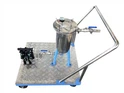
At our company, we offer a wide range of Reactor & Vessels that are designed to minimize the effects of temperature gradients. Our Movable Tank and Vessel are built with high-quality materials and advanced insulation technologies to ensure optimal performance and durability.
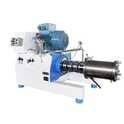
We also offer Mixing Reactor that are equipped with state-of-the-art mixing devices to ensure efficient and uniform mixing. Our reactors are designed to maintain a consistent temperature throughout the vessel, reducing the risk of material stress, corrosion, and other issues caused by temperature gradients.
If you're in the market for a new reactor vessel or looking to upgrade your existing equipment, we'd love to hear from you. Our team of experts can help you choose the right solution for your specific needs and provide you with the support and guidance you need to ensure a successful installation and operation.
Conclusion
In conclusion, temperature gradients can have a significant impact on reactor vessel performance. They can cause material stress and fatigue, reduce efficiency, increase the risk of corrosion, and disrupt the mixing process. However, by understanding these effects and taking appropriate measures to mitigate them, you can ensure the long-term reliability and performance of your reactor vessel.
If you have any questions or would like to learn more about our Reactor & Vessels, please don't hesitate to contact us. We're here to help you find the best solution for your application and ensure your success.
References
- Smith, J. (2018). "Effects of Temperature Gradients on Industrial Reactors." Journal of Chemical Engineering.
- Jones, A. (2019). "Mitigating Temperature Gradient Issues in Reactor Vessels." Chemical Processing Magazine.
- Brown, C. (2020). "The Impact of Temperature Gradients on Reactor Performance." International Journal of Reactor Technology.