Hey there! As a supplier of Reactor & Vessels, I've seen firsthand how crucial it is to keep these pieces of equipment clean. A dirty reactor vessel can lead to all sorts of problems, from reduced efficiency to contamination of your products. So, today I'm gonna share some tips on how to clean reactor vessels effectively.
Why Cleaning Reactor Vessels Matters
Before we dive into the cleaning process, let's talk about why it's so important. Reactor vessels are used in a wide range of industries, including chemical, pharmaceutical, and food processing. In these industries, the quality of the final product depends heavily on the cleanliness of the equipment.
If a reactor vessel is not cleaned properly, residues from previous batches can contaminate the new product. This can lead to off - spec products, which can be costly to rework or even result in product recalls. Additionally, dirty reactor vessels can harbor bacteria and other microorganisms, which is a huge no - no, especially in the food and pharmaceutical industries.
Pre - Cleaning Preparation
First things first, you need to do some prep work before you start cleaning your reactor vessel.


Safety First
The cleaning process can involve the use of chemicals and high - pressure water, so safety is paramount. Make sure you and your team are wearing the appropriate personal protective equipment (PPE), such as gloves, goggles, and respirators if necessary.
Empty the Vessel
Completely empty the reactor vessel of all its contents. This may seem obvious, but it's an important step. Any remaining liquid or solid materials can interfere with the cleaning process and may even react with the cleaning agents.
Disconnect and Isolate
Disconnect the vessel from any power sources, pipes, or other equipment. This will prevent any accidental activation during the cleaning process. Also, isolate the vessel to prevent any unauthorized access.
Cleaning Methods
There are several methods you can use to clean reactor vessels, and the choice depends on the type of vessel, the nature of the residues, and the industry requirements.
Manual Cleaning
Manual cleaning is the most basic method, and it's often used for small - scale or simple reactor vessels. You'll need to use cleaning tools like brushes, scrapers, and sponges.
Start by applying a suitable cleaning agent to the inside of the vessel. There are many types of cleaning agents available, such as detergents, solvents, and acids. The choice of cleaning agent depends on the type of residue. For example, if you're dealing with organic residues, a solvent - based cleaner might be more effective, while inorganic residues may require an acid - based cleaner.
After applying the cleaning agent, use the brushes and scrapers to scrub the inside of the vessel. Pay special attention to areas where residues tend to accumulate, such as corners and seams. Rinse the vessel thoroughly with water to remove all the cleaning agent and residues.
CIP (Clean - in - Place) Systems
CIP systems are a more automated and efficient way to clean reactor vessels, especially for large - scale or complex vessels. A CIP system typically consists of a cleaning solution tank, pumps, pipes, and spray nozzles.
The cleaning process with a CIP system starts by filling the cleaning solution tank with the appropriate cleaning agent. The pumps then circulate the cleaning solution through the pipes and spray nozzles, which direct the solution onto the inside of the vessel. The solution is left in the vessel for a certain period of time to allow it to break down the residues.
After the cleaning cycle is complete, the used cleaning solution is drained, and the vessel is rinsed with water. CIP systems can be programmed to perform multiple cleaning and rinsing cycles, ensuring a thorough clean.
High - Pressure Water Jet Cleaning
High - pressure water jet cleaning is a powerful method that can remove stubborn residues. A high - pressure water jet system uses a pump to generate a high - pressure stream of water, which is directed at the inside of the vessel.
This method is particularly effective for removing hard - to - clean residues, such as scale and caked - on materials. However, it requires careful operation to avoid damaging the vessel. Make sure the pressure is set at an appropriate level for the type of vessel you're cleaning.
Post - Cleaning Steps
Once you've finished cleaning the reactor vessel, there are a few more steps you need to take.
Inspection
Inspect the vessel thoroughly to make sure it's clean. Look for any remaining residues, scratches, or other signs of damage. If you find any issues, repeat the cleaning process or take appropriate measures to repair the damage.
Drying
Dry the vessel completely to prevent the growth of bacteria and corrosion. You can use air blowers or let the vessel air - dry naturally.
Sanitization
In some industries, such as food and pharmaceutical, sanitization is required after cleaning. Sanitization helps to kill any remaining bacteria and microorganisms. You can use a sanitizing agent, such as a chlorine - based solution, to sanitize the vessel.
Choosing the Right Reactor Vessel
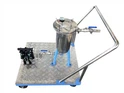
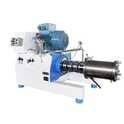
If you're in the market for a new reactor vessel, we offer a variety of options. Check out our Mixing Reactor and Movable Tank and Vessel on our website. These vessels are designed with cleaning in mind, with smooth surfaces and easy - to - access areas that make the cleaning process more efficient.
Conclusion
Cleaning reactor vessels is an essential part of maintaining their performance and ensuring the quality of your products. By following the steps I've outlined above, you can keep your reactor vessels clean and in good working condition.
If you have any questions about cleaning reactor vessels or if you're interested in purchasing a new reactor vessel, feel free to reach out. We're here to help you with all your reactor and vessel needs. Contact us to start a discussion about your specific requirements and let's find the best solution together.
References
- Chemical Engineering Handbook: Covers general principles of equipment cleaning in chemical processes.
- Pharmaceutical Manufacturing Guide: Provides guidelines for cleaning equipment in the pharmaceutical industry.
- Food Processing Equipment Manual: Contains information on cleaning requirements for food - grade vessels.