Power consumption is a critical factor to consider when evaluating industrial equipment, and the three roll mill is no exception. As a supplier of three roll mills, I've encountered numerous inquiries regarding the power consumption of these machines. In this blog post, I'll delve into the intricacies of what influences the power consumption of a three roll mill, and how it varies across different types and applications.
Understanding the Three Roll Mill
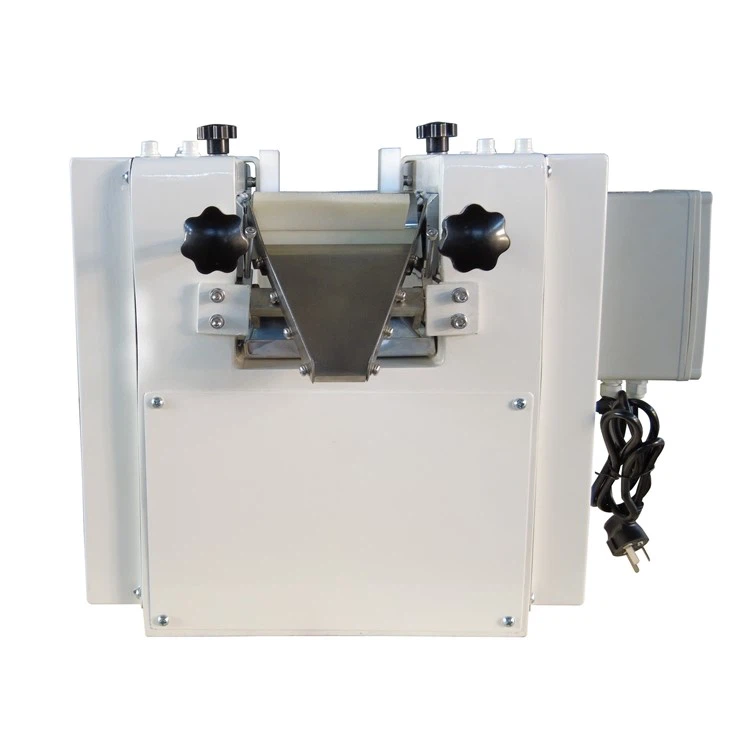
Before we explore power consumption, let's briefly understand what a three roll mill is. A three roll mill is a machine that uses three horizontally placed rolls to grind, disperse, and refine viscous materials. The rolls rotate at different speeds, creating a shearing force that breaks down particles and distributes them evenly throughout the material. These mills are widely used in industries such as ink, paint, coatings, pharmaceuticals, and food, where precise control over particle size and dispersion is essential.
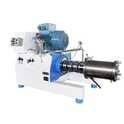
There are two main types of three roll mills: Industrial Three Roll Mill and Laboratory Three Roll Mill. Industrial three roll mills are designed for large-scale production, handling high volumes of material. They are typically larger in size and more powerful than their laboratory counterparts. Laboratory three roll mills, on the other hand, are used for small-scale testing, research, and development. They are more compact and less energy-intensive.
Factors Influencing Power Consumption
The power consumption of a three roll mill is influenced by several factors, including the following:
1. Roll Size and Configuration
The size of the rolls is a significant determinant of power consumption. Larger rolls require more power to rotate due to their increased mass and inertia. Additionally, the distance between the rolls (the nip) affects the power required. A smaller nip requires more force to push the material through, resulting in higher power consumption.
2. Material Viscosity
The viscosity of the material being processed is another crucial factor. Viscous materials, such as thick pastes and gels, require more energy to shear and disperse compared to less viscous materials. As the viscosity increases, the resistance to flow also increases, leading to higher power consumption.

3. Roll Speed
The speed at which the rolls rotate affects power consumption. Higher roll speeds generate more shearing force, which is beneficial for breaking down particles. However, this also requires more power to maintain the rotation. Operators often need to find a balance between roll speed and power consumption to achieve the desired level of dispersion.
4. Number of Passes
The number of times the material passes through the mill can impact power consumption. Multiple passes are often necessary to achieve the desired particle size and dispersion. Each additional pass requires more energy, as the material must be pushed through the rolls again.
5. Motor Efficiency
The efficiency of the motor used to drive the rolls plays a role in power consumption. A high-efficiency motor will convert more electrical energy into mechanical energy, resulting in lower power consumption. When selecting a three roll mill, it's important to consider the motor's efficiency rating.
Power Consumption Comparison: Industrial vs. Laboratory Three Roll Mills
As mentioned earlier, industrial and laboratory three roll mills have different power consumption characteristics. Industrial three roll mills are designed for continuous, high-volume production, and therefore, they typically consume more power. These mills often have larger rolls, higher roll speeds, and are capable of processing more viscous materials.
Laboratory three roll mills, on the other hand, are used for smaller batches and research purposes. They have smaller rolls, lower roll speeds, and are generally more energy-efficient. The power consumption of a laboratory three roll mill can be significantly lower than that of an industrial mill, making them a cost-effective option for small-scale operations.
Measuring and Monitoring Power Consumption
To accurately assess the power consumption of a three roll mill, it's important to measure and monitor it over time. This can be done using a power meter, which measures the electrical power consumed by the mill. By monitoring power consumption, operators can identify any abnormal increases, which may indicate a problem with the mill or a change in the processing conditions.
Regular maintenance and calibration of the mill can also help optimize power consumption. Keeping the rolls clean, properly lubricated, and aligned can reduce friction and improve the efficiency of the mill. Additionally, using the appropriate roll speed and nip settings for the material being processed can help minimize energy waste.
Energy Efficiency and Cost Savings
In today's environmentally conscious and cost-sensitive business environment, energy efficiency is a top priority. By understanding the factors that influence power consumption and taking steps to optimize it, operators can reduce energy costs and minimize their environmental impact.
One way to improve energy efficiency is to choose a three roll mill with a high-efficiency motor. Additionally, implementing advanced control systems that adjust the roll speed and nip based on the material properties can help reduce power consumption. Some modern three roll mills also feature energy-saving modes that automatically adjust the mill's operation during periods of low activity.
Conclusion
The power consumption of a three roll mill is influenced by a variety of factors, including roll size, material viscosity, roll speed, number of passes, and motor efficiency. By understanding these factors and taking steps to optimize power consumption, operators can reduce energy costs and improve the overall efficiency of their operations.
Whether you're in the market for an Industrial Three Roll Mill for large-scale production or a Laboratory Three Roll Mill for research and development, it's important to consider power consumption as part of your decision-making process.
If you're interested in learning more about our three roll mills or have any questions regarding power consumption, please don't hesitate to contact us. Our team of experts is ready to assist you in finding the right solution for your specific needs. We look forward to the opportunity to discuss your requirements and help you make an informed purchasing decision.
References
- "Principles of Powder Technology" by M. A. S. Hamid
- "Industrial Mixing: Science and Practice" by Edward L. Paul, Victor A. Atiemo-Obeng, and Suzanne M. Kresta