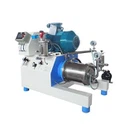
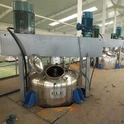
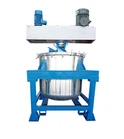
As a seasoned supplier of Basket Mills, I understand the paramount importance of operator safety when using this equipment. Basket Mills are widely used in various industries, such as paint, pigment dispersion, and emulsion paint production, due to their efficiency and effectiveness in grinding and dispersing materials. However, like any industrial machinery, they come with inherent risks that need to be managed properly. In this blog post, I will share some key strategies and best practices to ensure the safety of operators when using a Basket Mill.
Pre - operation Safety Checks
Before starting the Basket Mill, a series of pre - operation safety checks must be carried out. First and foremost, inspect the physical condition of the mill. Check for any visible signs of damage, such as cracks in the basket, loose bolts, or frayed electrical cables. A damaged Basket Mill can pose serious safety hazards, including mechanical failures and electrical shocks.
Verify that all safety guards are in place and functioning correctly. Safety guards are designed to prevent operators from coming into contact with moving parts, such as the rotating basket and the impeller. They act as a physical barrier, reducing the risk of entanglement and injury. For example, in a Paint Basket Mill, the guards around the basket and the motor area are crucial to protect operators from the high - speed rotating components.
Check the electrical system of the Basket Mill. Ensure that the power supply is properly grounded to prevent electrical leakage. Look for any signs of overheating or abnormal electrical connections. Faulty electrical systems can lead to short - circuits, fires, and electric shocks, which are extremely dangerous for operators.
Operator Training
Proper training is essential for ensuring the safety of operators when using a Basket Mill. Operators should receive comprehensive training on the operation, maintenance, and safety procedures of the equipment. The training should cover topics such as how to start and stop the mill correctly, how to load and unload materials safely, and how to perform routine maintenance tasks.
During the training, operators should be taught about the potential hazards associated with the Basket Mill. For instance, in a Basket Mill For Pigment Dispersion, operators need to be aware of the risks of inhaling pigment dust, which can cause respiratory problems. They should also be trained on how to use personal protective equipment (PPE) effectively.
PPE is a critical part of operator safety. Operators should wear appropriate PPE, including safety glasses to protect their eyes from flying particles, gloves to prevent skin contact with chemicals, and ear protection to reduce the noise level. In addition, operators should wear protective clothing to prevent splashes of materials on their bodies.
Safe Operation Procedures
When operating the Basket Mill, operators should follow strict safe operation procedures. First, they should ensure that the mill is placed on a stable surface to prevent it from tipping over during operation. The stability of the mill is crucial, especially when dealing with heavy loads or high - speed rotations.
Before starting the mill, operators should make sure that the basket is properly installed and secured. An improperly installed basket can cause imbalance, leading to vibrations and potential damage to the mill. They should also check the level of the grinding media in the basket. Too little or too much grinding media can affect the performance of the mill and increase the risk of accidents.
During the operation, operators should avoid reaching into the basket or the working area of the mill. The rotating parts can cause severe injuries, such as cuts, bruises, and even amputations. If any adjustment or maintenance is required during the operation, the mill should be stopped and the power supply should be disconnected first.
In a Basket Mill For Emulsion Paint, operators should be careful when handling the paint materials. They should avoid spills and splashes, as the paint can be slippery and may cause operators to fall. If a spill occurs, it should be cleaned up immediately to prevent accidents.
Maintenance and Inspection
Regular maintenance and inspection of the Basket Mill are essential for ensuring its safe operation. A maintenance schedule should be established, and all maintenance tasks should be carried out by qualified personnel.
During the maintenance process, the mechanical parts of the mill, such as the bearings, belts, and gears, should be inspected and lubricated regularly. Worn - out parts should be replaced promptly to prevent mechanical failures. The electrical components, such as the motor, switches, and wiring, should also be checked for any signs of damage or malfunction.
In addition to regular maintenance, periodic inspections should be conducted. These inspections can be carried out by internal maintenance teams or external professional inspectors. The inspections should cover all aspects of the Basket Mill, including its safety features, electrical system, and mechanical performance. Any potential safety issues identified during the inspections should be addressed immediately.


Emergency Preparedness
Despite all the preventive measures, emergencies can still occur when using a Basket Mill. Therefore, it is important to have an emergency preparedness plan in place. The plan should include procedures for dealing with various emergencies, such as fires, electrical shocks, and mechanical failures.
Fire extinguishers should be available in the vicinity of the Basket Mill. Operators should be trained on how to use the fire extinguishers correctly. In case of a fire, the power supply of the mill should be cut off immediately, and the fire should be extinguished using the appropriate fire - fighting equipment.
For electrical shocks, first - aid kits should be available, and operators should be trained in basic first - aid procedures. If an operator is electrocuted, the power source should be disconnected as soon as possible, and medical help should be called immediately.
In the event of a mechanical failure, operators should know how to stop the mill safely and isolate the equipment. They should also report the incident to the relevant personnel for further investigation and repair.
Conclusion
Ensuring the safety of operators when using a Basket Mill is a multi - faceted task that requires a combination of pre - operation checks, operator training, safe operation procedures, maintenance, and emergency preparedness. As a Basket Mill supplier, we are committed to providing high - quality equipment and comprehensive support to our customers to ensure the safety of their operators.
If you are interested in our Basket Mill products or have any questions about the safety of using Basket Mills, please feel free to contact us for further discussion and procurement negotiation. We look forward to working with you to meet your production needs while ensuring the safety of your operators.
References
- Industrial Machinery Safety Standards Handbook.
- Occupational Safety and Health Administration (OSHA) Guidelines for Machinery Operation.
- Manufacturer's Manuals for Basket Mills.